Soil Regeneration and Cannabis
List of contents
- What does it mean to regenerate a soil?
- Why does cannabis respond so strongly when the soil is healthy?
- The essential principles (and how to translate them into decisions)
- Regenerative practices applied to cannabis
- Regenerative nutrition: balance rather than force
- Measuring regeneration
- A gradual transition plan
- Limits and warnings
- Full scientific references
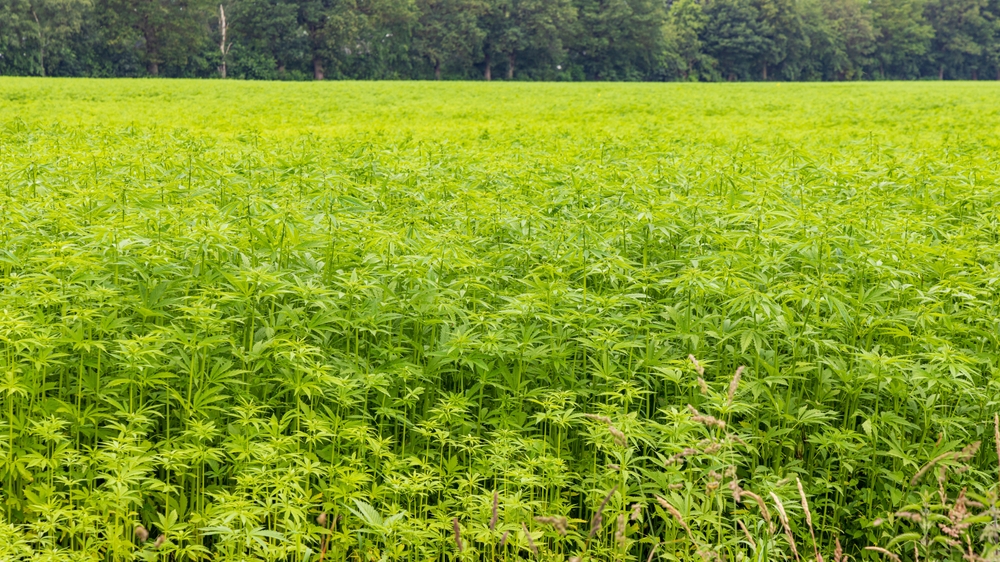
Talking about cannabis and “soil” often stays stuck in recipes (mixes, fertilizers, watering charts). But if the goal is consistent quality, resilience, and less dependence on inputs, the approach changes: soil stops being a simple support and becomes a living system that can be regenerated. This article covers soil health principles and regenerative practices applied to cannabis (and hemp) cultivation, with a technical but accessible perspective.
What does it mean to regenerate a soil?
Regenerating a soil means restoring and increasing its capacity to function as an ecosystem: infiltrating and storing water, cycling nutrients efficiently, supporting diverse biology, and maintaining stable structure. In practical terms, the aim is to rebuild organic matter, aggregates, porosity, and fungal and microbial networks, while reducing erosion and carbon loss.
International organizations such as the FAO highlight that organic matter directly influences structure and porosity, water infiltration and retention, biological activity, and nutrient availability—and that its decline has cumulative negative effects on productivity and stability.
Why does cannabis respond so strongly when the soil is healthy?
Cannabis is a nutrient-demanding crop and sensitive to physical, chemical, and biological imbalances in the soil. During flowering, any stress is reflected in both yield and quality. A functional soil acts as a buffering system against salt spikes, nutrient lockouts, water stress, and pathogen pressure.
In cannabis and hemp crops, it has also been shown that microbial life varies by compartment (soil, rhizosphere, root), reinforcing the idea that soil management is an integral part of crop management.
It’s not about feeding our plants, but feeding the soil so plants can take what they need.
The essential principles (and how to translate them into decisions)
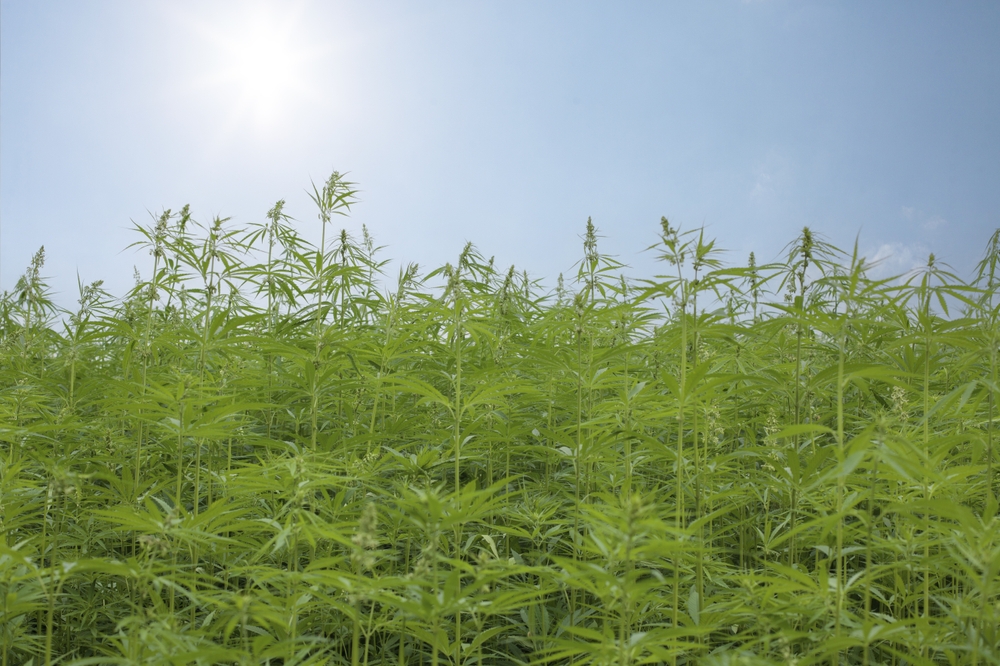
The most widely used soil health principles share a set of core values: keep the soil covered, minimize disturbance, keep living roots for as long as possible, and maximize biological diversity. These principles, widely promoted by organizations such as USDA-NRCS, work as decision-making criteria: any practice should be evaluated based on whether it strengthens or weakens the system.
Regenerative practices applied to cannabis
Minimize disturbance: less tillage, more structure
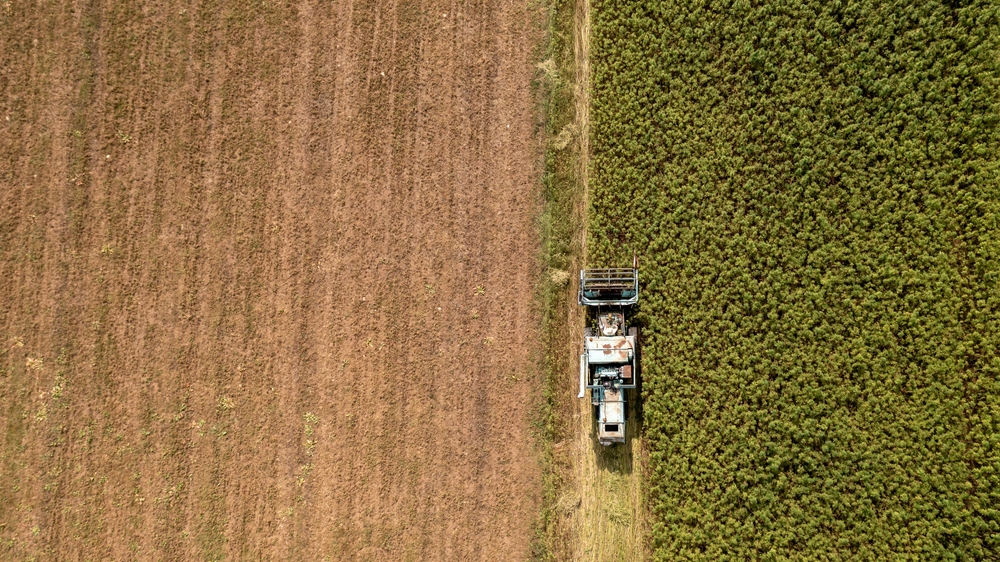
Intensive tillage breaks up aggregates, accelerates carbon mineralization, and fragments fungal networks. In soil-based cannabis systems, this translates into the need to work with permanent beds, reduce soil turning, and prioritize shallow surface incorporation. Mechanical intervention (tillage) should only be used when there is severe soil compaction.
Permanent cover: protected, living soil
Covered soil is protected against erosion, evaporation, and temperature swings. In cannabis cultivation, cover can be achieved through organic mulches or cover crops adapted to the crop calendar. This physical protection translates into higher biological activity and better moisture conservation.
From a soil health approach, cover acts like “armor” that supports structure and feeds the soil food web.
Living roots and diversity: the biological engine
Soil regeneration depends largely on the continuous flow of carbon from roots to soil microorganisms. Since cannabis is often grown in relatively short cycles, the annual system design becomes key. Including rotations, diverse cover crops, and biodiverse spaces helps keep the rhizosphere active for longer.
In industrial hemp, rotational systems have been observed to increase soil microbial diversity compared to monoculture, reinforcing the value of functional diversity as an agronomic tool.
High-quality organic matter: structure, water, and habitat
Organic matter fulfills multiple functions at once: it acts as a soil builder, as a water sponge, and as microbial habitat. In cannabis, it is more effective to work with stable, split applications than with one-off high-volume inputs.
Functional microbiology and the rhizosphere
In regenerated soils, biology is not an external input but an emergent property of the system. Mycorrhizae, for example, are widely documented for their ability to improve nutrient uptake and stress tolerance in crops.
In cannabis, hemp, and marijuana, several studies show that mycorrhizal inoculation can improve growth and, in certain contexts, influence cannabinoid production. These effects are more consistent when the soil provides adequate organic matter, low salinity, and minimal disturbance.
Biochar as a targeted tool
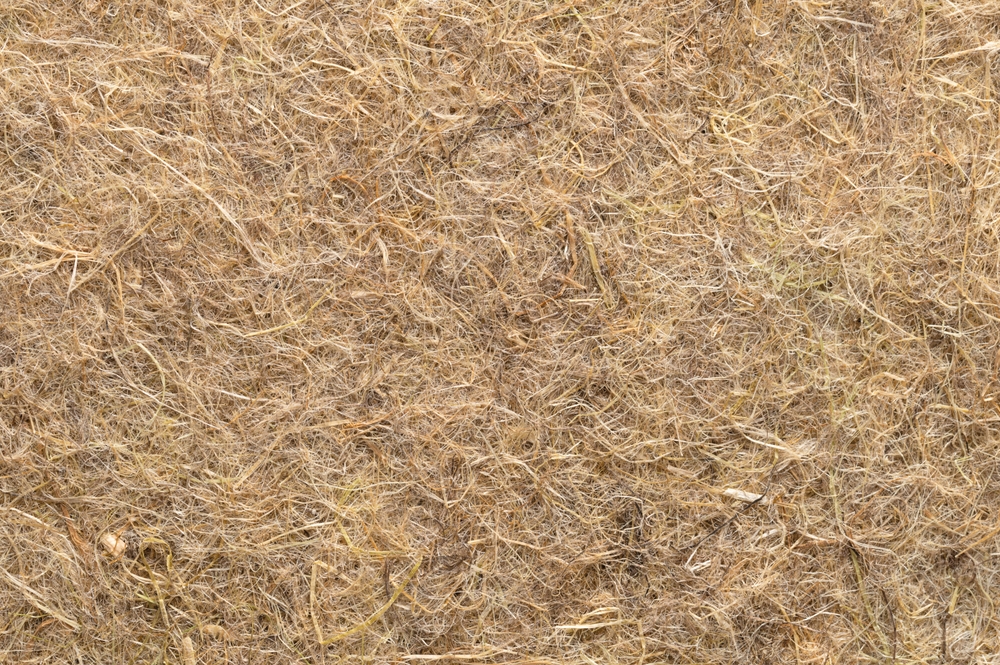
Biochar can play a complementary role in regenerative systems, especially in soils with low organic matter or sandy texture. Its high specific surface area supports water retention and microbial colonization, although its effectiveness depends on the type of biochar.
Regenerative nutrition: balance rather than force
One of the most common mistakes when transitioning to regenerative systems is trying to maintain high-intensity feeding schemes typical of inert systems. In living soils, the focus shifts toward balance.
Nutrient recommendations for hemp emphasize adjusting inputs to soil analysis and local conditions, reinforcing the idea that nutrition is part of integrated soil management.
Measuring regeneration
Without indicators, the concept of regeneration loses technical meaning. Changes in organic carbon, aggregate stability, infiltration, soil respiration, compaction, and basic parameters such as pH and electrical conductivity make it possible to assess whether the system is moving forward or backward.
A gradual transition plan
A realistic transition to regenerative soils in cannabis starts with a physical, chemical, and biological diagnosis. From there, immediate cover implementation, reduced disturbance, moderate doses of mature compost, careful biological management, and periodic measurement allow progress without compromising production.
Limits and warnings
Scientific literature emphasizes that benefits are not always immediate and that changes in carbon and biology take time. In addition, using organic amendments without control can introduce contaminants—an aspect that is critical in cannabis given the quality standards sought.
Full scientific references
Soil health principles: - USDA Natural Resources Conservation Service (NRCS). 2022. Soil Health Principles: soil armor, minimizing soil disturbance, plant diversity and continual live plant/root. Disponible en: https://www.nrcs.usda.gov/ - USDA Natural Resources Conservation Service (NRCS). 2024. Healthy Soils - Principles for improving soil health and sustainability. Disponible en: https://www.nrcs.usda.gov/conservation-basics/natural-resource-concerns/soil/soil-health
Soil organic carbon and organic matter:
FAO. 2020. Soil Organic Carbon - the hidden potential. Rome: Food and Agriculture Organization of the United Nations.
FAO & ITPS (Intergovernmental Technical Panel on Soils). 2018. Global Soil Organic Carbon Map (GSOCmap) - Technical Report. Rome: Food and Agriculture Organization of the United Nations. 162 pp.
FAO & ITPS. 2020. Recarbonizing global soils - A technical manual of recommended management practices. Volume 1: Introduction and Methodology. Rome: Food and Agriculture Organization of the United Nations.
FAO & ITPS. 2020. Recarbonizing global soils - A technical manual of recommended management practices. Volume 2: Hot spots and bright spots of soil organic carbon. Rome: Food and Agriculture Organization of the United Nations.
FAO & ITPS. 2020. Recarbonizing global soils - A technical manual of recommended management practices. Volume 3: Cropland, Grassland, Integrated Systems and Farming Approaches - Practices Overview. Rome: Food and Agriculture Organization of the United Nations.
Arbuscular mycorrhizae in cannabis:
Seemakram, W., Paluka, J., Suebrasri, T., Lapjit, C., Kanokmedhakul, S., Kuyper, T.W., Ekprasert, J. & Boonlue, S. 2022. Enhancement of growth and Cannabinoids content of hemp (Cannabis sativa) using arbuscular mycorrhizal fungi. Frontiers in Plant Science 13:845794. DOI: 10.3389/fpls.2022.845794
Kakabouki, I., Mavroeidis, A., Tataridas, A., Kousta, A., Efthimiadou, A., Karydogianni, S., Katsenios, N., Roussis, I. & Papastylianou, P. 2021. Effect of Rhizophagus irregularis on growth and quality of Cannabis sativa seedlings. Plants 10(7):1333. DOI: 10.3390/plants10071333
Lyu, D.M., Backer, R., Robinson, W.G. & Smith, D.L. 2019. Plant growth-promoting rhizobacteria for cannabis production: Yield, cannabinoid profile, and disease resistance. Frontiers in Microbiology 10:1761. DOI: 10.3389/fmicb.2019.01761
Crop rotation and microbial diversity in hemp:
Tang, L., Li, C., Wang, X., Wang, W., Wu, Q., Ren, Y., Zhao, Y., Li, J. & Zhao, J. 2022. The effect of rotational cropping of industrial hemp (Cannabis sativa L.) on rhizosphere soil microbial communities. Agronomy 12(10):2293. DOI: 10.3390/agronomy12102293
Liu, Y., Gao, J., Bai, Z., Wu, S., Li, X., Wang, N., Du, L., Lin, W., Oenema, O. & Ma, L. 2023. Unraveling mechanisms and impact of microbial recruitment on oilseed rape (Brassica napus L.) and the rhizosphere mediated by plant growth-promoting rhizobacteria. Microbiome 11:147.
Meta-analysis on crop rotation:
Venter, Z.S., Jacobs, K. & Hawkins, H.J. 2016. The impact of crop rotation on soil microbial diversity: A meta-analysis. Pedobiologia 59(4):215-223. DOI: 10.1016/j.pedobi.2016.04.001
Beillouin, D., Ben-Ari, T., Malézieux, E., Seufert, V. & Makowski, D. 2021. Positive but variable effects of crop diversification on biodiversity and ecosystem services. Global Change Biology 27(19):4697-4710.
Hemp microbiome:
Comeau, D., Novinscak, A., Joly, D.L. & Filion, M. 2020. Spatio-temporal and cultivar-dependent variations in the cannabis microbiome. Frontiers in Microbiology 11:491.
Scott, M., Rani, M., Samsatly, J., Charron, J.B. & Jabaji, S. 2018. Endophytes of industrial hemp (Cannabis sativa L.) cultivars: identification of culturable bacteria and fungi in leaves, petioles, and seeds. Canadian Journal of Microbiology 64(10):664-680.
Effects of continuous monocropping in hemp:
Zhao, S., Chen, X., Deng, S., Dong, X. & Song, A. 2022. Effects of continuous cropping on bacterial community and diversity in rhizosphere soil of industrial hemp: A five-year experiment. Diversity 14(4):250. DOI: 10.3390/d14040250
Nutrient management in hemp:
Brym, Z., Sharma, L., Singh, H., Obreza, T. & Mylavarapu, R. 2024. UF/IFAS Nutrient Management Recommendation Series: Hemp. EDIS 2024(4), SL521/SS734. University of Florida, Institute of Food and Agricultural Sciences Extension. DOI: 10.32473/edis-ss734-2024
Kaur, G., Wang, Y. & Solis-Gracia, N. 2023. Nutrient uptake and biomass distribution in industrial hemp (Cannabis sativa L.) grown in south Texas. Agronomy 13(7):1726.
Regenerative agriculture and climate change:
Rodale Institute. 2020. Regenerative Organic Agriculture and Climate Change: A Down-to-Earth Solution to Global Warming. Kutztown, PA: Rodale Institute.
Biochar principles:
Schmidt, H.P., Kammann, C., Hagemann, N., Leifeld, J., Bucheli, T.D., Sánchez Monedero, M.A. & Cayuela, M.L. 2021. Biochar in agriculture – A systematic review of 26 global meta-analyses. GCB Bioenergy 13(11):1708-1730