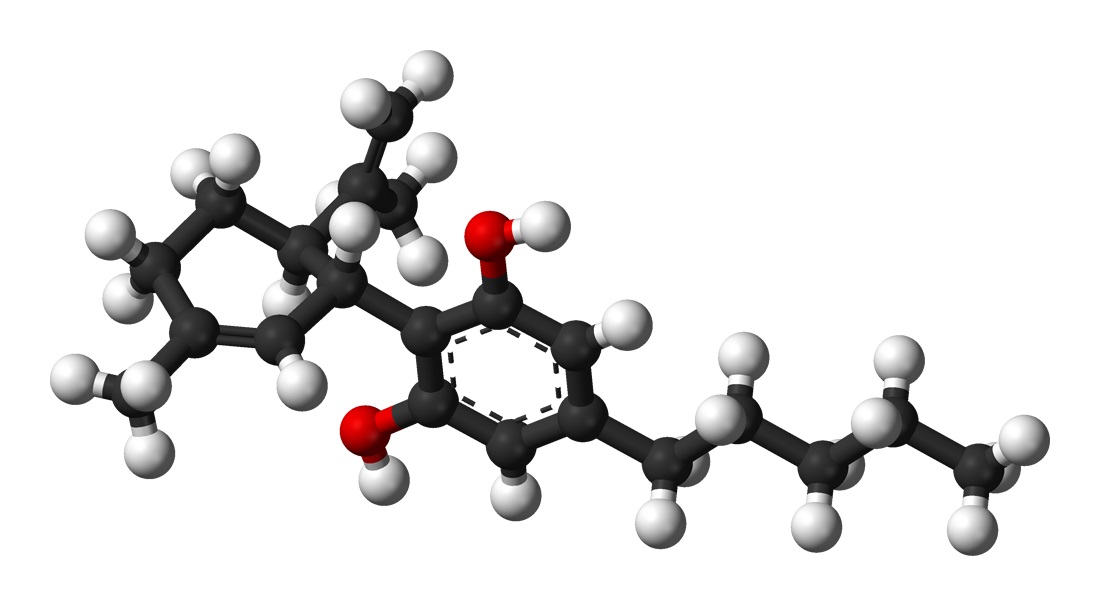
Cannabinol (CBN) is one of the least known cannabinoid compounds compared to others present in cannabis. Despite the fact that CBD and THC have been the best researched, CBN was actually the first cannabinoid to be isolated by scientists at the end of the 19th century, although its chemical synthesis first occurred in 1940. However, despite its age, only recently has CBN received some attention due to its purported ability to induce sleep and aid relaxation.
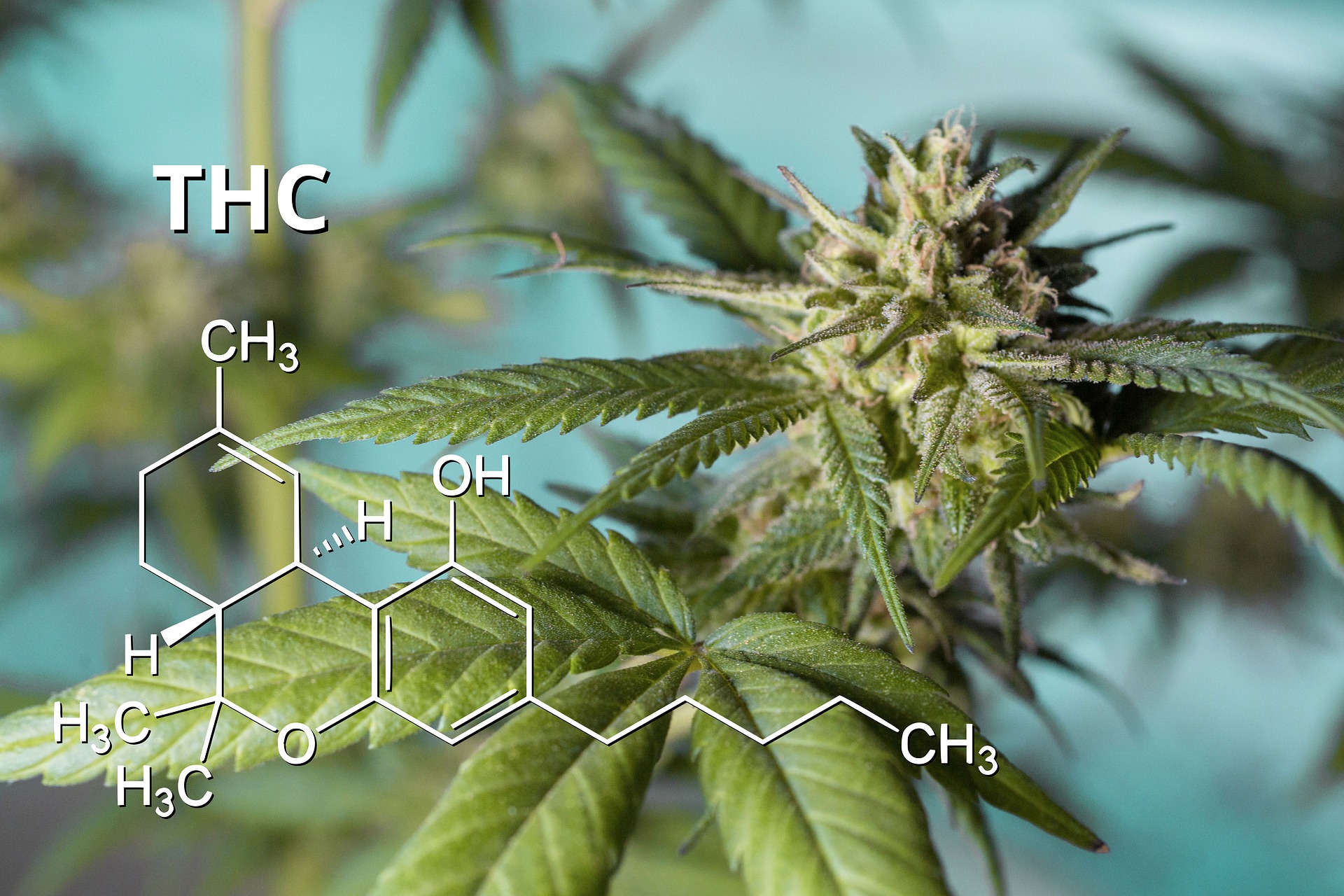
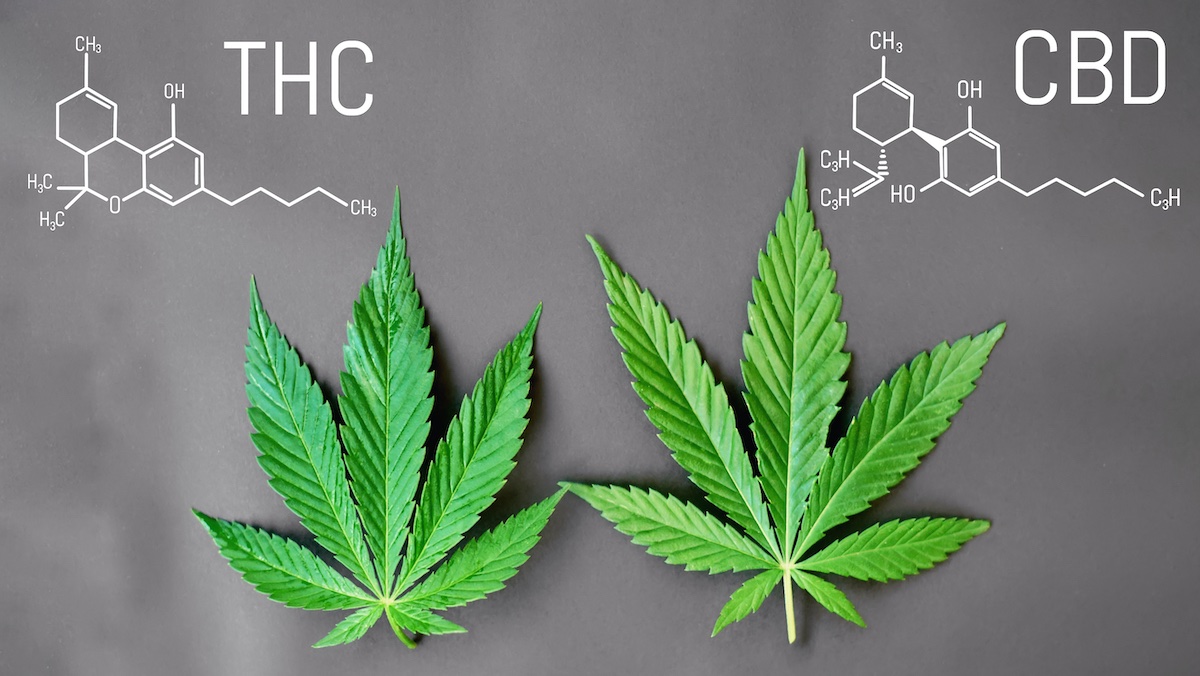
CBN forms naturally when THC is exposed to light and heat, situations that cause oxidation. Since CBN derives from THC, they both have a similar molecular structure: THC even has 'cannabinol' in its name (tetrahydrocannabinol). Specifically, prolonged exposure to air (oxidation) causes the THCA molecule contained in fresh cannabis to convert to CBNA. In turn, if the acid form of cannabinol (CBNA) is subjected to heat or ultraviolet rays, it will convert to CBN, the active form of the compound.
And since CBN is created as cannabis ages (it is the best-preserved cannabinoid found in ancient Chinese graves that are thousands of years old), in the past this cannabinoid has typically been associated with old or poorly dried/cured cannabis, which has led to it having somewhat of a bad rap, as it may not get you as high as you'd like, giving you a more narcotic sensation instead.
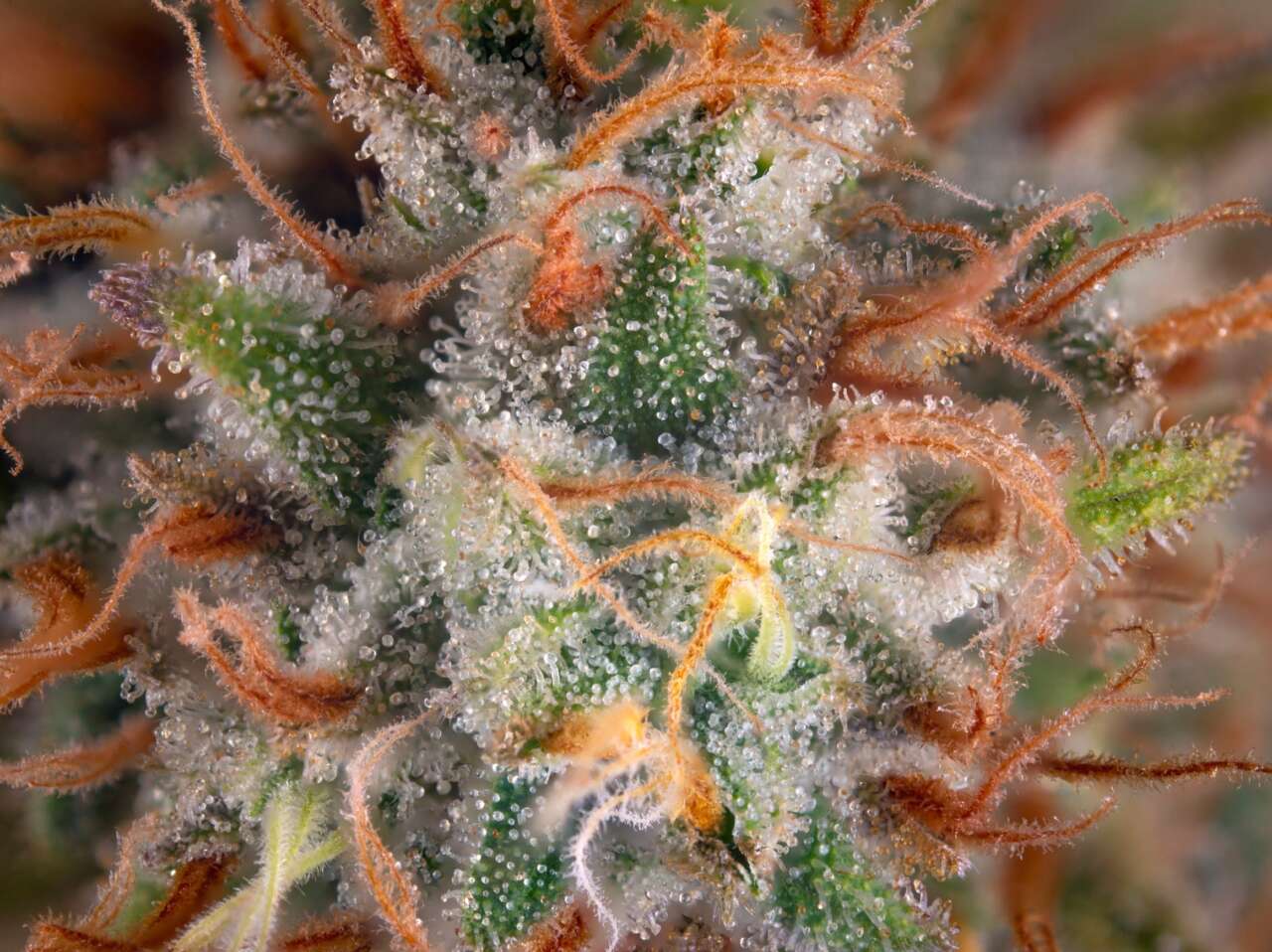
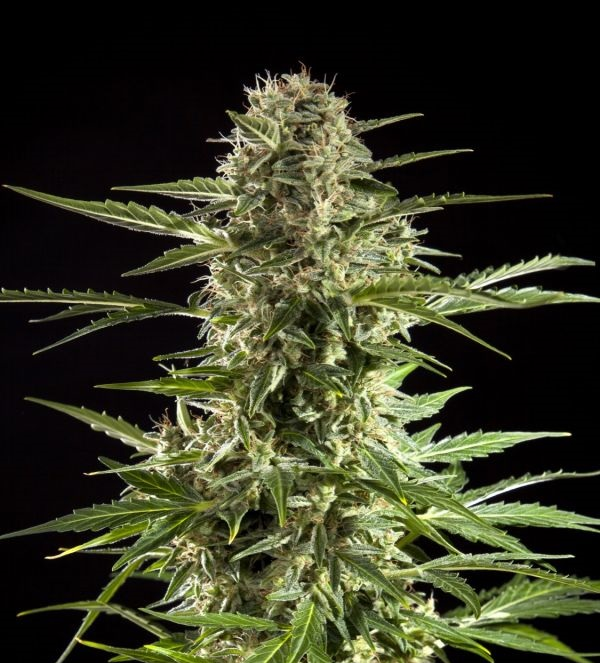
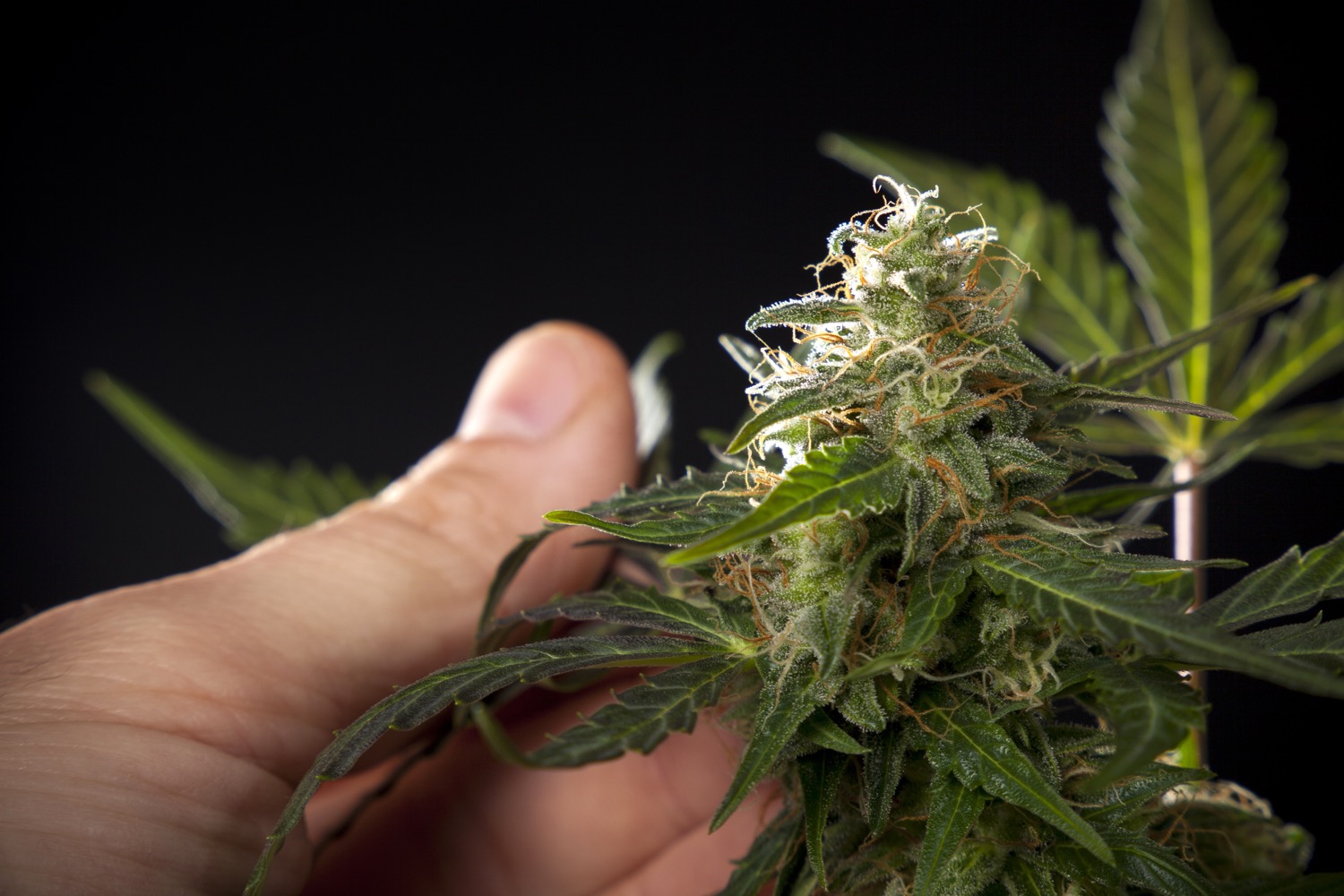
You can also obtain more CBN by cutting the plant at a more advanced stage of maturation, waiting until the trichomes have gone from their typical milky white colour to a more amber hue, as when the trichomes degrade or oxidise they turn this shade.
Read more