How to make homemade pesticides for marijuana home growing
The article warns about the risks of chemical pesticides in cannabis cultivation and proposes homemade organic alternatives to combat pests such as aphids, spider mites, whiteflies or fungi like powdery mildew. Among the suggested recipes are neem oil with potassium soap, diatomaceous earth, garlic maceration, horsetail infusion or milk with baking soda, each one targeting specific pests. That said, the article clarifies that these remedies work best in preventive phases or mild infections, and that in cases of advanced infestations it may be necessary to resort to certified organic solutions or biological control with natural predators.
List of contents
One of the biggest challenges faced by home marijuana growers is controlling pests and fungi without compromising the quality of the final product or the balance of the growing environment.
Conventional chemical pesticides can leave toxic residues on the buds and many of them are not specifically approved for cannabis cultivation, making them a risky choice both for consumer health and crop integrity. In contrast, organic homemade preparations represent a real alternative — effective and, above all, much safer.
Why use homemade pesticides in cannabis cultivation?
The underlying reason is simple: cannabis is consumed, and what we apply to the plants can end up in our lungs or our bodies. When a bud with chemical pesticide residues is smoked or vaporized, the heat can trigger new chemical reactions that generate even more toxic compounds — something that medicinal cannabis users should be especially aware of, as their bodies tend to be more vulnerable.
Homemade pesticides have clear technical advantages over synthetic chemicals, including that they are 100% plant-based, they do not alter the taste or aroma of the harvest, they do not harm the microbiota and are therefore suitable for organic cultivation.
The most common pests in home cannabis cultivation
Before choosing the right pesticide, it is essential to correctly identify what type of threat is affecting the crop. The most frequent ones in indoor and outdoor grows are:
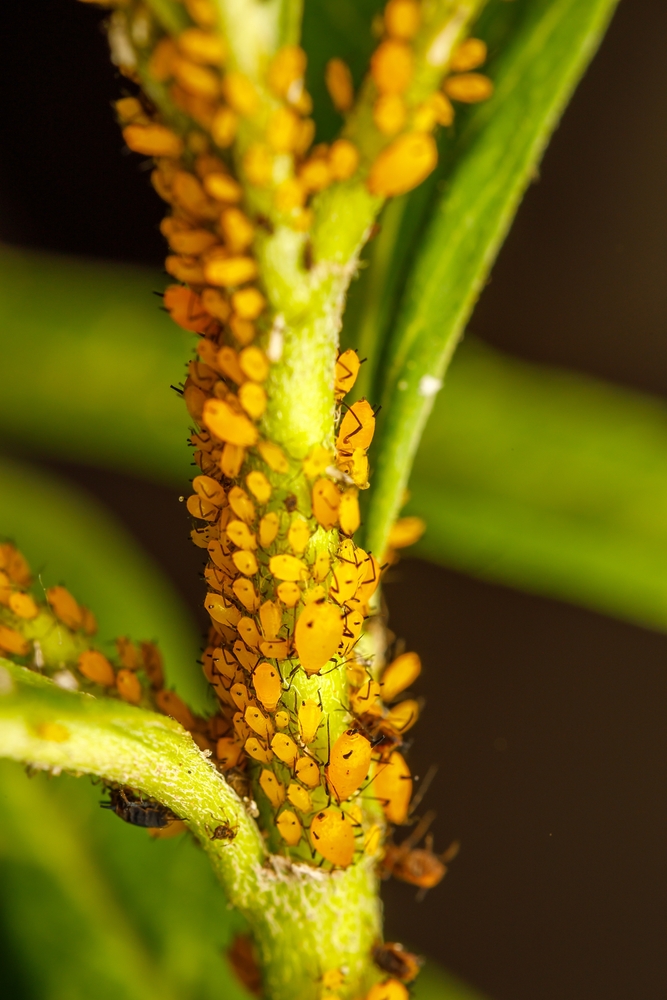
- Aphid (Aphididae): a sucking insect that draws sap from the plant and produces honeydew. Detected by small black dots on the leaves and a sticky substance on stems and veins.
- Spider mite (Tetranychus urticae): a highly resistant mite that spins fine webs on the underside of leaves and causes yellowish or bronze spots. It thrives in warm, dry environments.
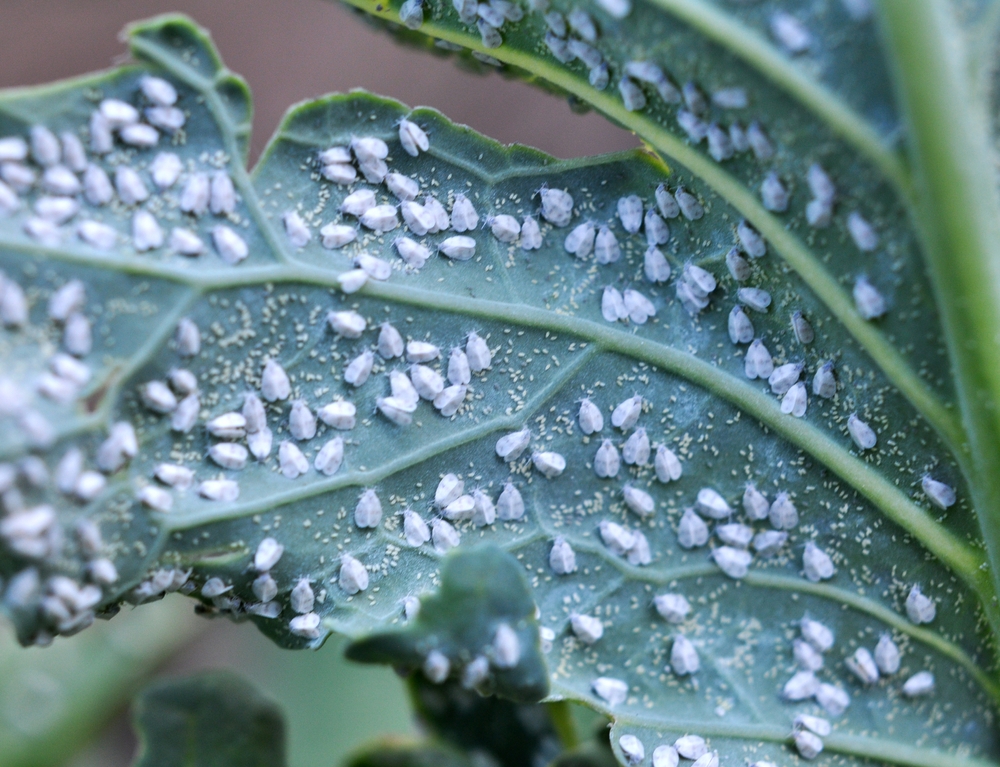
- Whitefly (Trialeurodes vaporariorum): small white insects that cluster around the substrate and the base of stems, and lay eggs on the underside of the leaves.
- Thrips (Thysanoptera): very small winged insects that scratch and suck the cells of the leaf, leaving affected tissue looking silvery or whitish.
- Fungus gnats (Bradysia spp.): small flies whose larvae attack young roots and root hairs, weakening nutrient absorption.
- Powdery mildew (Erysiphales): a fungus that appears as white powdery spots on the leaves, characteristic of humid environments with poor ventilation.
- Botrytis or grey mould (Botrytis cinerea): one of the most destructive fungi during the flowering stage, causing the wilting and blackening of buds.
- Downy mildew (Peronospora spp.): a fungus that produces yellowish or greasy spots on leaves and can rapidly necrotize leaf tissue.
Some recipes and methods of use:
Neem oil + potassium soap.
The combination of neem oil and potassium soap is, by far, the most versatile and technically effective preparation among the natural pesticides used for cannabis cultivation:
Neem oil acts as a preventive repellent with action against both insects and fungi, while potassium soap works as a contact insecticide, damaging the exoskeleton of soft-bodied insects and dissolving the honeydew they deposit on the leaves. The active ingredient in neem oil is azadirachtin, a compound that interferes with the hormonal system of insects, inhibiting their feeding, reproduction and moulting. When applied via irrigation as well as foliarly, the plant absorbs azadirachtin through the roots and distributes it systemically, offering more complete and lasting protection.
Potassium soap, for its part, acts in three ways: it can penetrate the bodies of certain insects and dehydrate them, it blocks their respiratory pathways on contact, and it cleans the leaf surface of honeydew and eggs.
- 1 litre of warm water (not boiling, to avoid degrading the active compounds).
- 5 ml of neem oil.
- 5 ml of potassium soap.
First dissolve the potassium soap in the water, then add the neem oil and shake the mixture vigorously until a homogeneous, milky-looking emulsion is obtained.
For foliar application, always spray at dusk or with the light off if growing indoors, covering both the upper and lower surfaces of leaves and stems, never directly on buds during advanced flowering. As a preventive treatment, apply every 7–15 days; as a curative treatment, apply every 2–3 days during the first week and then weekly until the pest disappears. It is effective against aphids, spider mites, whiteflies, thrips, mealybugs, leaf miners, powdery mildew and downy mildew in early stages.
Diatomaceous earth.
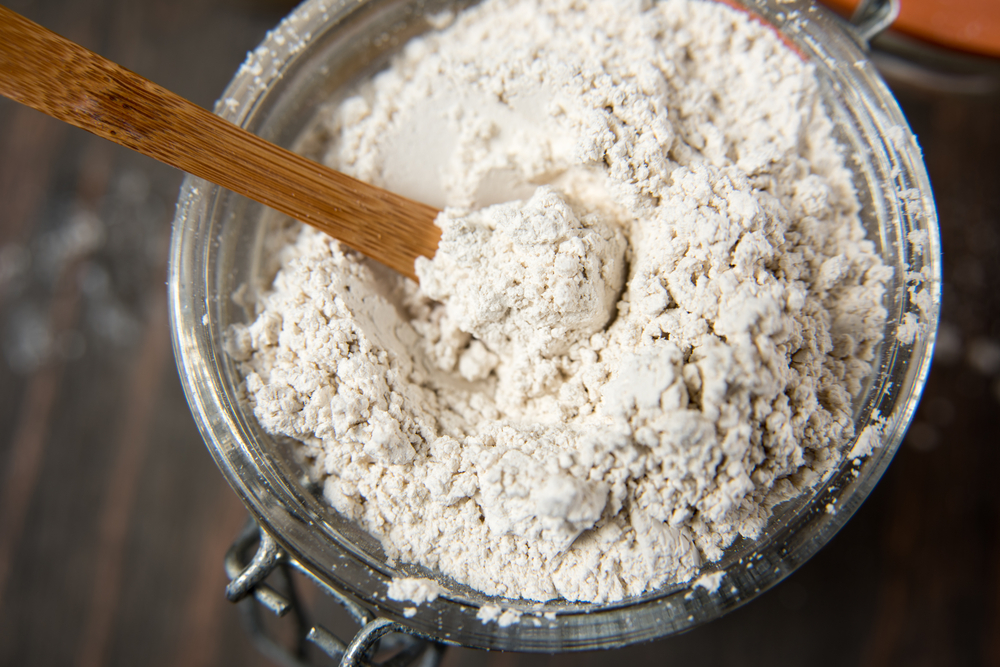
Diatomaceous earth is a mineral powder composed of the fossilised exoskeletons of unicellular microalgae called diatoms, which are rich in silica. Its mechanism of action is purely physical, not chemical. The powder pierces the exoskeleton of crawling insects through its microscopic edges, causing dehydration and death. Since it is not a poison, insects cannot develop genetic resistance to it.
Another significant technical advantage is that it can be applied even during the harvest stage, and its high porosity allows it to retain up to 150% of its weight in moisture, which also has an indirect fungicidal effect by hindering the development of fungi in the substrate. It is effective against aphids, spider mites, whiteflies, fungus gnats, thrips, mealybugs and leaf miners.
Garlic macerate.
Garlic contains organosulfur compounds, mainly allicin, which act as powerful repellents against sucking insects. Its action is mainly preventive, although it also works to control pests in early stages, especially against spider mites, whiteflies and thrips.
- 1 whole garlic bulb.
- Cloves (optional, enhances repellent action).
- 1 litre of water.
- 10 ml of potassium soap (optional, improves adhesion).
Crush the garlic bulb, mix with the water and add the cloves; leave to macerate for 12 to 24 hours; strain the liquid and dilute it in 3 additional litres of water; add the potassium soap if desired and mix well before spraying.
Spray over the entire plant, paying special attention to the underside of the leaves, preferably at night or with the light off indoors; repeat every 3–5 days as a preventive measure and every 2 days in the case of an active pest. This treatment is especially recommended for outdoor growing as indoors it will leave a strong garlic smell throughout the house.
Horsetail infusion.
Horsetail (Equisetum arvense) is one of the plants with the highest concentration of organic silica in the plant kingdom, which gives it well-documented fungicidal properties in organic farming. Its extract acts effectively as a preventive and curative treatment against powdery mildew and other foliar fungi, and is particularly suitable in conditions of high humidity.
- 100 g of dried horsetail (available at health food stores).
- 1 litre of water.
Heat the water, add the horsetail and leave to steep for at least 30 minutes; once cool, strain and apply undiluted or diluted to 20% depending on the intensity of the treatment.
Spray over the entire plant, covering leaves and stems well; can be applied every 10–15 days as a preventive measure and more frequently in the case of an active fungal infection; always with the light off when growing indoors. The horsetail infusion is effective against powdery mildew, downy mildew and other foliar fungi; it also improves the overall vigour of the plant thanks to its silica content.
Nettle macerate.
Nettle liquid manure is a traditional preparation from biodynamic farming with insecticidal and nutritive properties. It acts as a repellent against aphids and sucking insects, and its iron and nitrogen content can also correct mild chlorotic deficiencies in the plant.
- 100 g of fresh or dried nettles.
- 1 litre of water.
Place the nettles in the water and leave to macerate for 5–7 days, stirring daily; strain and dilute the result in 10 litres of water for foliar spray application. The nettle infusion is effective against aphids and other sucking insect pests in early stages.
Tobacco and potassium soap solution.
Nicotine is an alkaloid with neurotoxic action on insects, which acts by contact and ingestion. Although it should be used with caution as it can also be toxic to beneficial insects, it is effective against resistant pests such as spider mites in moderate stages.
The standard formula consists of mixing 60 grams of natural tobacco with 1 litre of water and 10 grams of potassium soap, leaving it to macerate for 24 hours, straining and spraying approximately once a week. It is effective against spider mites, aphids, thrips and whiteflies.
It should not be applied during advanced flowering — tobacco can contain pathogens that may infect the cannabis plant. It is recommended to use pipe tobacco or rolling tobacco instead of industrial cigarette tobacco to reduce the risk.
Milk and bicarbonate.
Milk contains amino acids and lactic acid with moderate fungicidal and acaricidal properties. The solution is prepared by mixing half a cup of unpasteurised milk with four cups of flour and twenty litres of water.
As an alternative, skimmed milk can be mixed with baking soda, which acts by raising the pH of the leaf surface to levels at which fungi cannot thrive. This preparation is effective against spider mites in early stages, powdery mildew and other foliar fungi when combined with baking soda.
Turmeric extract.
Curcumin, the main active compound in turmeric, has insecticidal, pesticidal and repellent properties against a wide variety of insects, including ants, mosquitoes and aphids. The solution is prepared by mixing 20 grams of turmeric in one litre of water.
Mix the turmeric with the water, shake well and spray; alternatively, sprinkle the powder directly around the base of the plant. The intense yellow colour of turmeric can stain the buds, so it should not be sprayed on areas in flower.
Complementary traps without chemical products
In addition to liquid preparations, there are physical control methods that can effectively complement homemade pesticides:
- Apple cider vinegar trap for fungus gnats: fill a plastic bottle with apple cider vinegar and make small holes in the cap; the insects are attracted by the vinegar and become trapped inside.
- Lemon peel and cinnamon: sprinkling ground cinnamon or placing lemon peel on the surface of the substrate effectively deters fungus gnats and inhibits fungal development at the root collar.
- Companion repellent plants: growing basil, mint, marigold or lavender around the cannabis acts as a natural barrier against flying and sucking insects, especially in outdoor grows.
If homemade pesticides are not enough
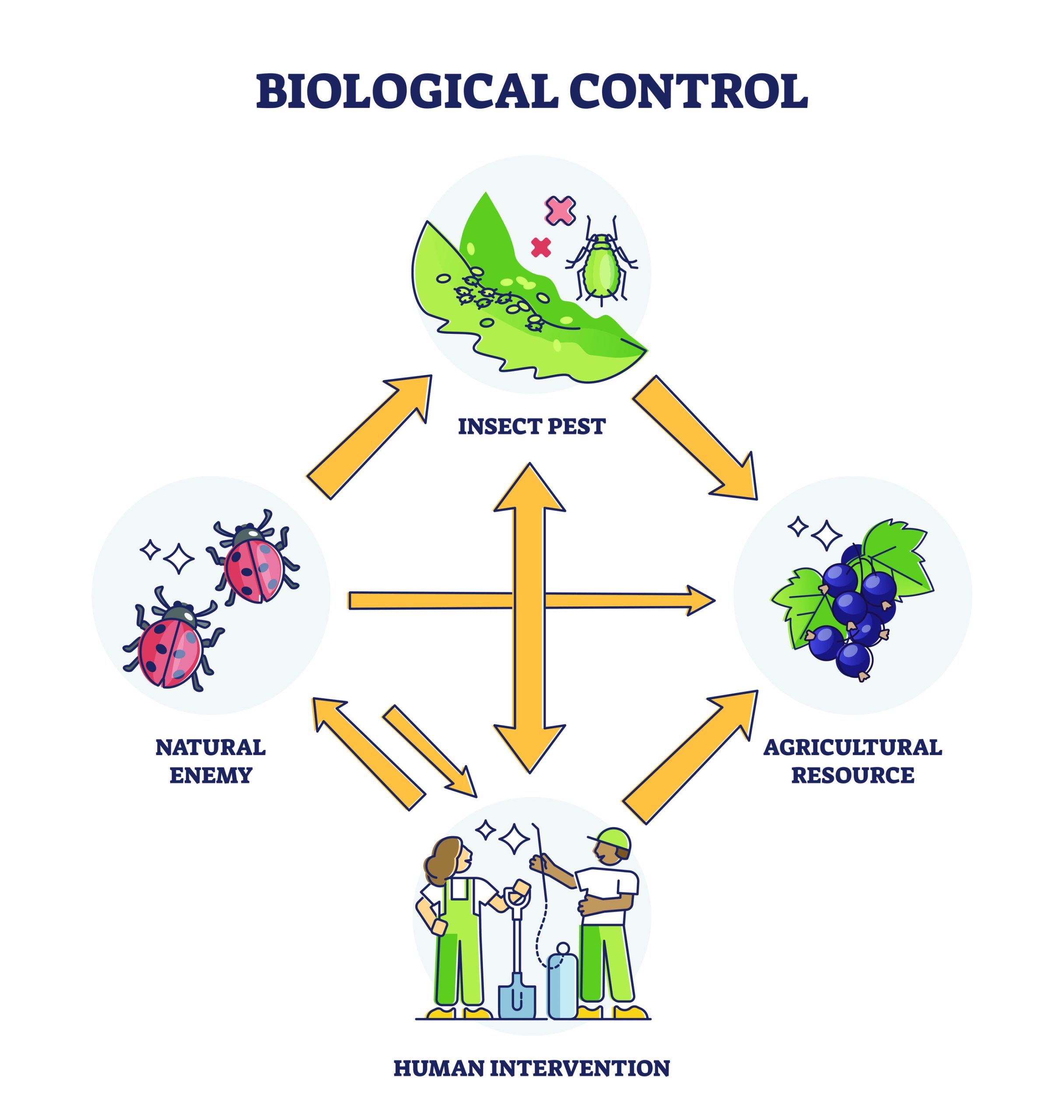
Homemade preparations are an effective tool in preventive stages and in mild to moderate infections. However, in advanced infestations or resistant infections, their effectiveness is usually limited and it may be necessary to turn to certified organic insecticides of greater potency, such as Bacillus thuringiensis or natural predators such as Phytoseiulus persimilis mites against spider mites.
Biological control through predatory or parasitoid organisms — such as lacewings, beneficial mites or entomopathogenic nematodes — represents the next level within ecological methods and may be appropriate when homemade preparations are no longer sufficient to contain the pest.