List of contents
The debate between indoor and outdoor cultivation is not just a matter of quality or yield — it is, increasingly, a question of environmental responsibility. The scientific data is clear: marijuana production under artificial light is one of the most energy-intensive agricultural activities. We break down the numbers, the causes, and the paths toward more efficient cultivation. Although in cannabis cultivation these figures are skewed by the legal status of growing in each country, since in most of them indoor cultivation is not a choice but the indirect consequence of prohibition.
Most of the data reflected in this post comes essentially from the USA, as it is currently one of the few countries in the world where intensive marijuana cultivation is legal and therefore one of the few countries from which data can be obtained.
A crop that consumes ten times more energy than an office
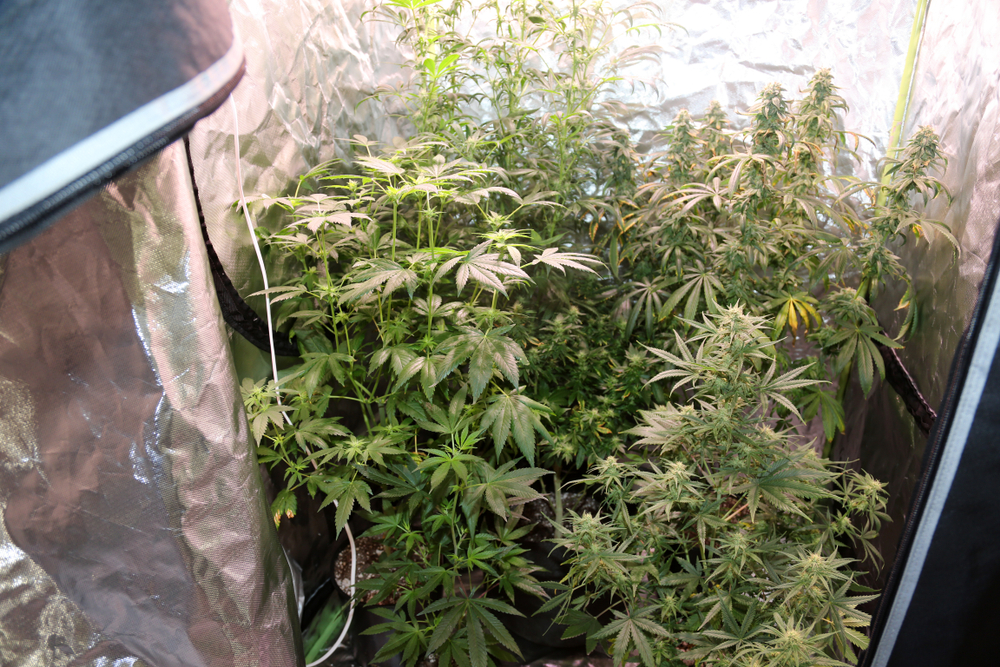
Cannabis grown indoors is no ordinary crop. An indoor cultivation facility consumes approximately ten times more energy per square metre than a conventional office building. This figure completely reframes the conversation about sustainability in the cannabis sector.
The documented consumption ranges are telling. While greenhouse cultivation ranges from 6 to 580 kWh per kilogram of dry product, fully indoor cultivation sits between 4,400 and 6,100 kWh/kg. Outdoor cultivation, on the other hand, represents a virtually zero electricity consumption, except in cases of supplemental lighting or water pumping.
Producing marijuana indoors has an energy cost of around 6 billion dollars per year in the USA alone, equivalent to 1% of the national electricity consumption.
An even more telling indicator comes from Denver, Colorado. The city's cultivation facilities went from representing 1% to 4% of Denver's total electricity consumption between 2013 and 2018, as the legal market took off. Across the USA as a whole, the sector consumes the equivalent of all the energy used by the rest of the country's agricultural production combined.
Breaking down consumption in an indoor grow
When we talk about indoor cultivation, we are not just talking about lighting — it is the complete environmental control ecosystem that the plant requires to grow in an artificial setting. 55% of consumption corresponds to lighting, the largest share. High-intensity HPS lamps and LEDs dominate consumption, especially in flowering rooms. 35% of consumption corresponds to climate control equipment, including heating, ventilation, air conditioning, dehumidification, and humidity control.
Climate control systems vary enormously depending on the local climate and can surpass lighting as a source of emissions. The remaining 10% corresponds to CO₂ injection to accelerate photosynthesis, irrigation systems, and other support equipment.
Indoor vs. outdoor.
Indoor Cultivation.
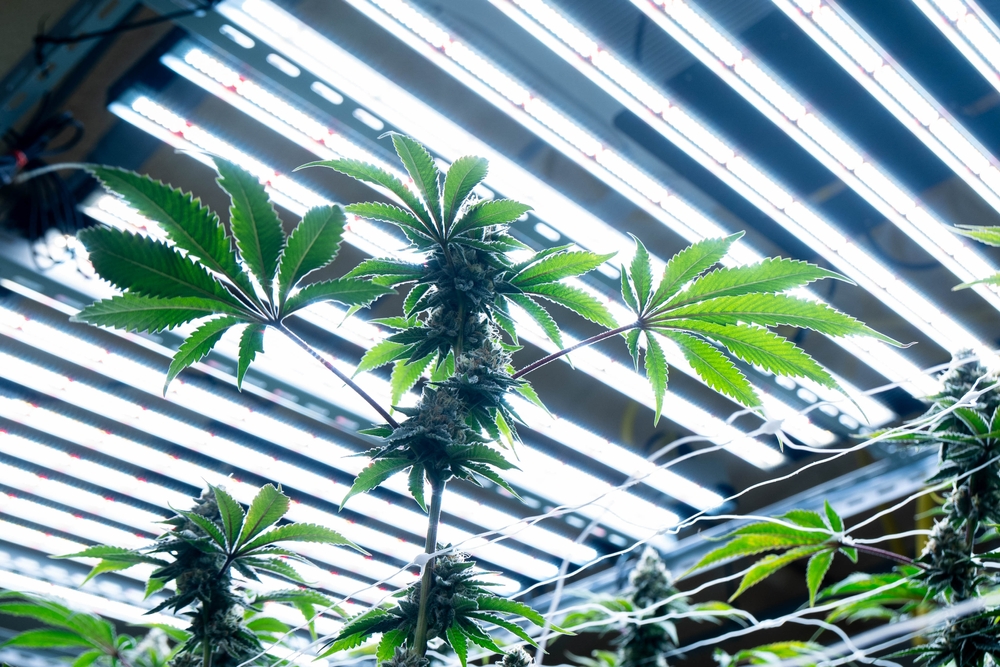
Total harvest control, year-round continuous annual production independent of outdoor climate. Precise control of photoperiod, temperature, CO₂ and humidity. Higher density of annual cycles per room, lower exposure to external pests and contaminants. Consistency in cannabinoid and terpene percentages. Carbon footprint up to 50 times greater than outdoor, high operational costs in lighting, climate control and maintenance.
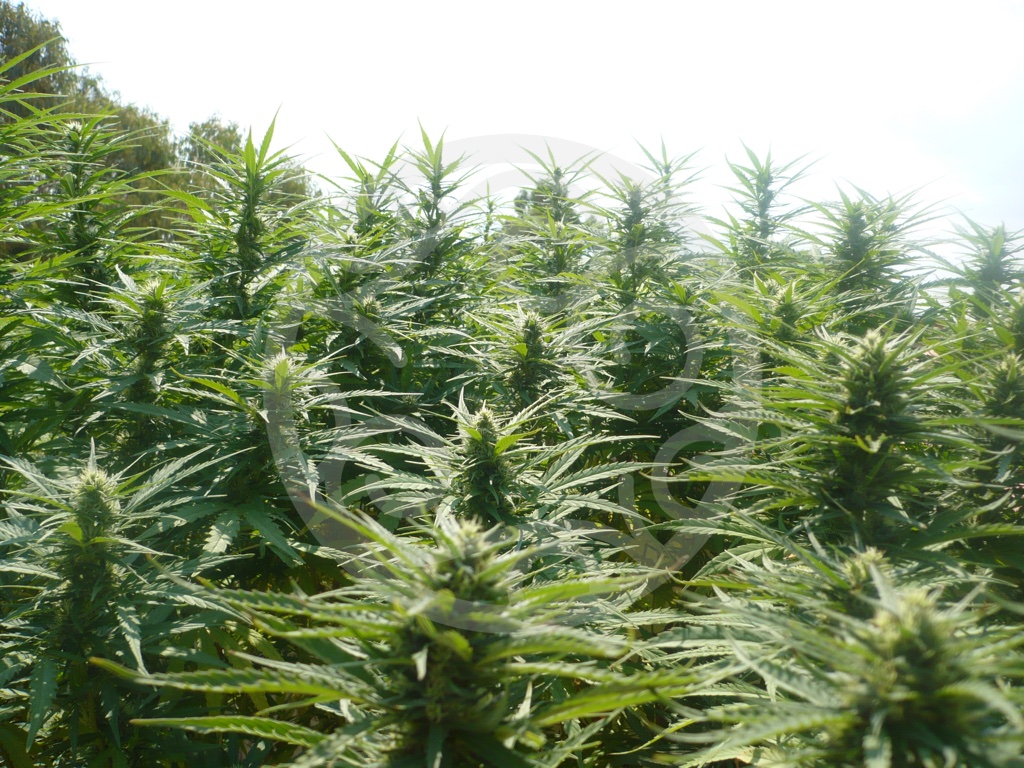
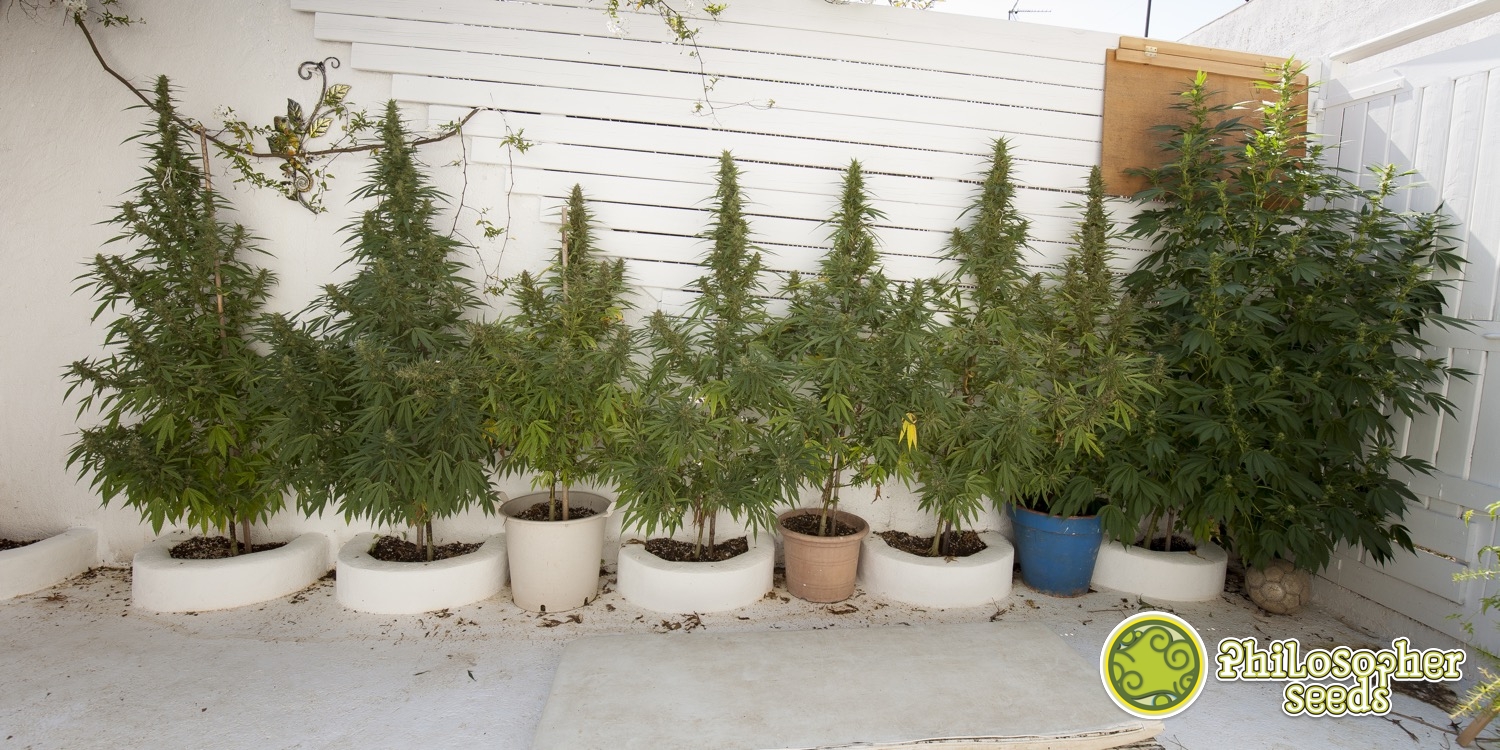
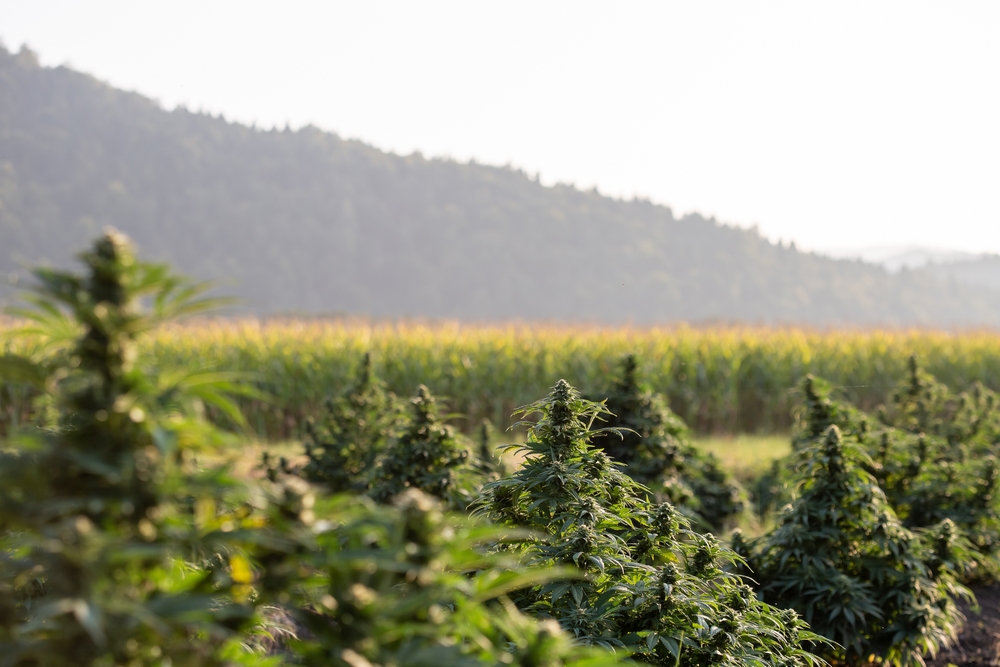
Free solar energy, minimal environmental impact, virtually zero electricity consumption during cultivation, carbon footprint up to 50 times lower than indoor, very low operational costs, no lighting bill, larger plants. Seasonal production, one or two harvests per year depending on latitude, greater exposure to pests, fungi and adverse weather conditions, risks of fertiliser and water runoff. Less control over cannabinoid and terpene profiles compared to indoor.
How to reduce the footprint.
For those who cannot give up indoor cultivation, there are technological options with real impact. Applying minimum lighting and dehumidification standards in new facilities allows savings of 30% in flowering rooms and 50% in grow rooms per gram of product.
High-efficiency LEDs, the most accessible change
Full-spectrum LED fixtures achieve efficiencies more than double those of traditional HPS systems, and the yield per euro invested in electricity improves by around 25% when switching from HPS to high-efficiency LED systems.
Furthermore, LEDs generate less heat, which indirectly reduces the load on climate control systems, producing a double saving that accumulates harvest after harvest — making it well worth replacing HPS with efficient LEDs.
Integrating rooftop solar photovoltaic energy and combining sunlight with supplemental lighting in mixed greenhouse systems, redirecting part of production outdoors when climatic conditions allow, and investing in vertical cultivation to maximise the active canopy per square metre are further actions that will help reduce electricity consumption.
In this context, the most transformative scenario remains shifting production outdoors, since according to several analyses, if 75% of legal production moved outside, the sector's emissions could be reduced by nearly 80%, avoiding between 5.8 and 8 million tonnes of CO₂ per year. A scale of decarbonisation that no technological improvement in indoor cultivation can match.
Towards responsible cultivation.
The choice of cultivation method is not just an agronomic decision. It is an environmental one. The data all points in the same direction: intensive indoor production, without efficiency measures, carries a footprint that is hard to justify at the scale the market demands.
Growing outdoors does not eliminate all impacts. The impact on water, soil and biodiversity also deserves attention, but it places the carbon footprint in a completely different order of magnitude.
Although this post makes clear that outdoor cultivation is far more energy-efficient than indoor cultivation, many growers must continue growing indoors due to the prohibition framework that governs most European countries.
Once again, we are faced with one of the indirect consequences of prohibition.
Sources:
- Mills, E. (2012). The Carbon Footprint of Indoor Cannabis Production. Energy Policy / Lawrence Berkeley National Laboratory.
- Summers, H., Sproul, E. & Quinn, J. (2021). The greenhouse gas emissions of indoor cannabis production. Nature Sustainability. Colorado State University
- Brousseau, V.D. et al. (2024). Environmental Impact of Outdoor Cannabis Production. ACS Agricultural Science & Technology, 4(7), 690–699.
- Slipstream Inc. (2019). Cannabis Farming: Utilities Have Power to Make Growing Industry More Energy Efficient.
- Northwest Power and Conservation Council (2018). Electricity Consumption from Northwest Cannabis Production.
- Southwest Energy Efficiency Project – SWEEP (2019). Denver Approves New Energy Efficiency Requirements for Indoor Agriculture/Cannabis.
- Westmoreland, F.M. et al. (2021). Cited in: Using High Light Levels: Yield and Energy Use of Indoor Grown Cannabis.
- Mehboob, N. et al. (2020). Energy Consumption Model for Indoor Cannabis Cultivation Facility. IEEE Open Access Journal of Power and Energy.
- The Breakthrough Institute (2024). A Very Green Carbon Footprint.
- Mills, E. et al. (2020). Energy-intensive indoor cultivation drives the cannabis industry's expanding carbon footprint. ScienceDirect.