

Autoflowers fit the German climate
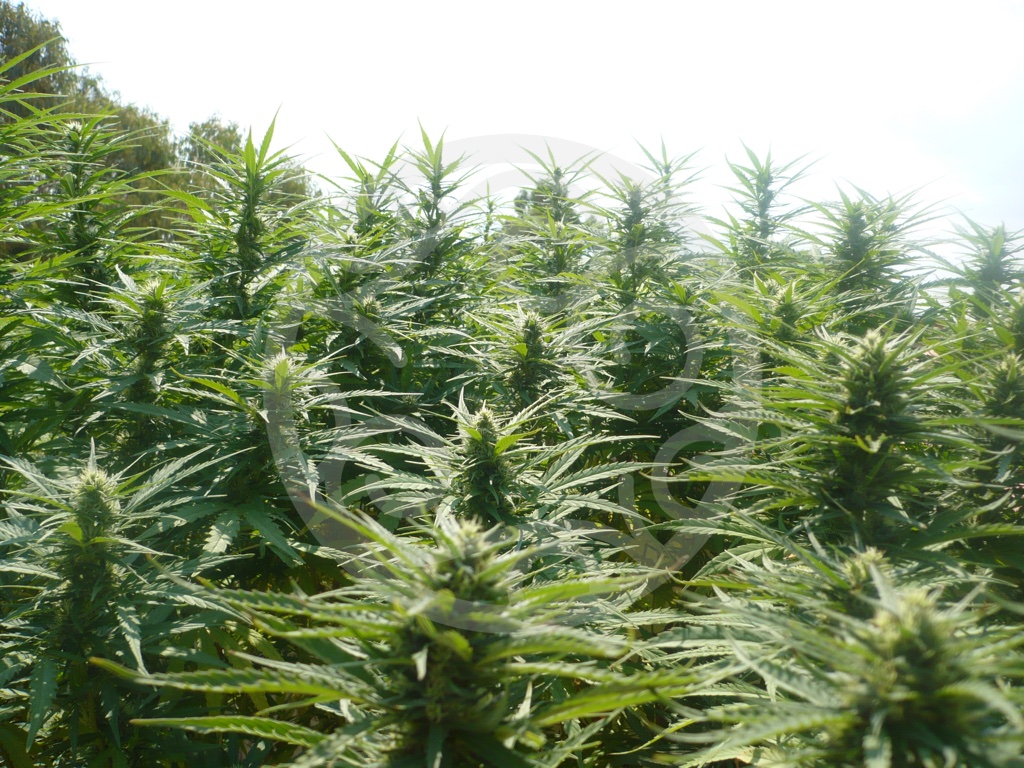
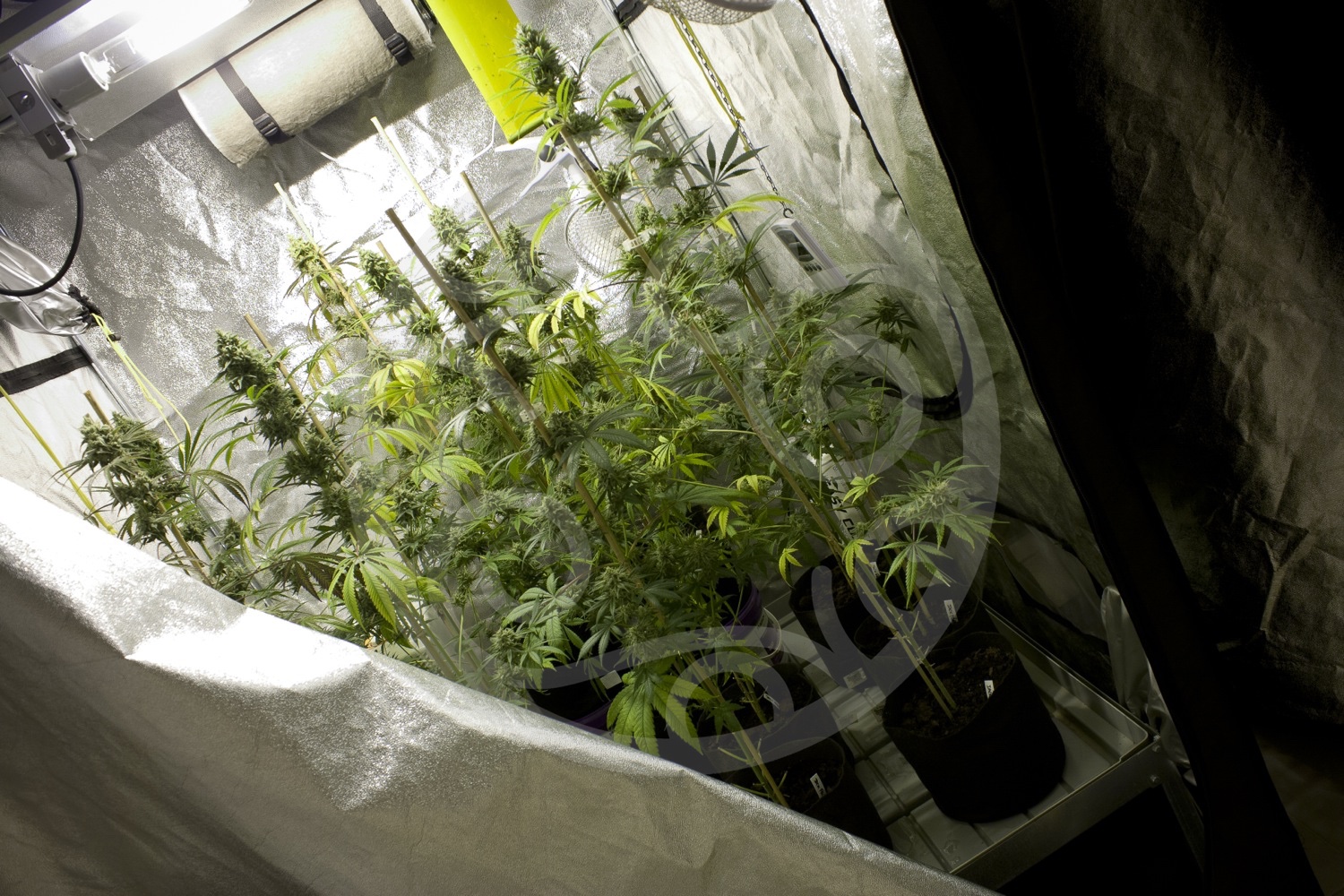
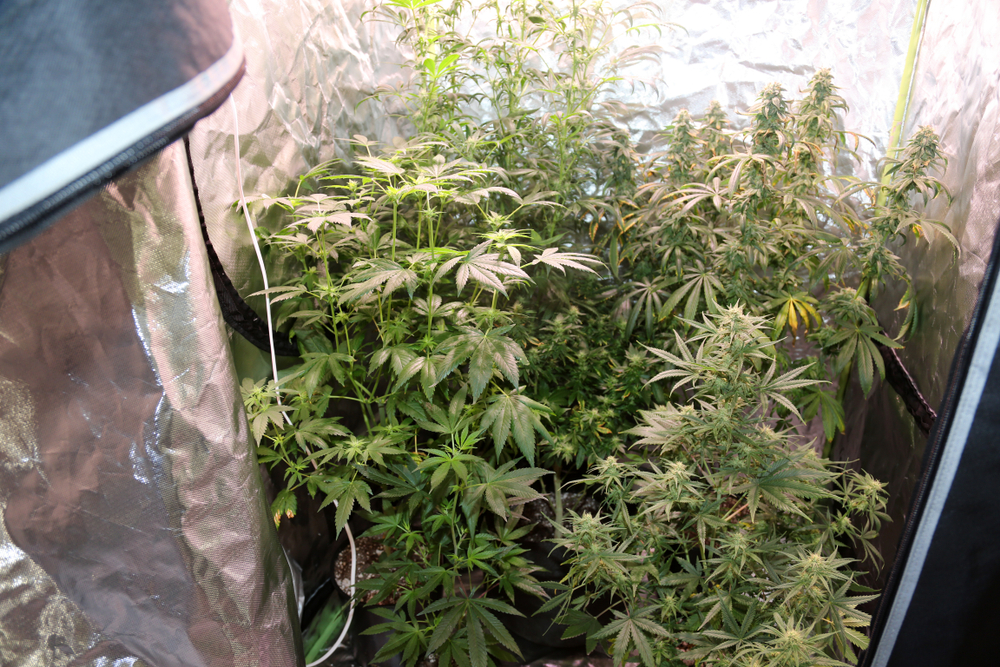
Autoflowers descend from Cannabis ruderalis, a subspecies native to the high latitudes of the northern hemisphere, characterised by short summers and cold nights. This genetic heritage gives them two decisive traits for a country like Germany: a short life cycle of between eight and twelve weeks from germination to harvest, and flowering that is independent of the photoperiod, which removes the need to manipulate hours of darkness to trigger maturation. Add to that a compact stature, usually between 60 and 120 centimetres, which makes it easier to comply with the legal limit of three plants in tight spaces and to stay discreet from neighbours or sightlines from common areas. In practical terms, a grower in Munich, Hamburg or Berlin can complete one or even two outdoor cycles between May and September, and run staggered indoor crops year-round without depending on a photoperiod switch. That flexibility is probably the strongest argument in favour of autos over photoperiod strains in a country where the useful sunshine window is short and the demand per plant — given the legal cap of three — is high.
Climatic conditions, from Bavaria to the North Sea
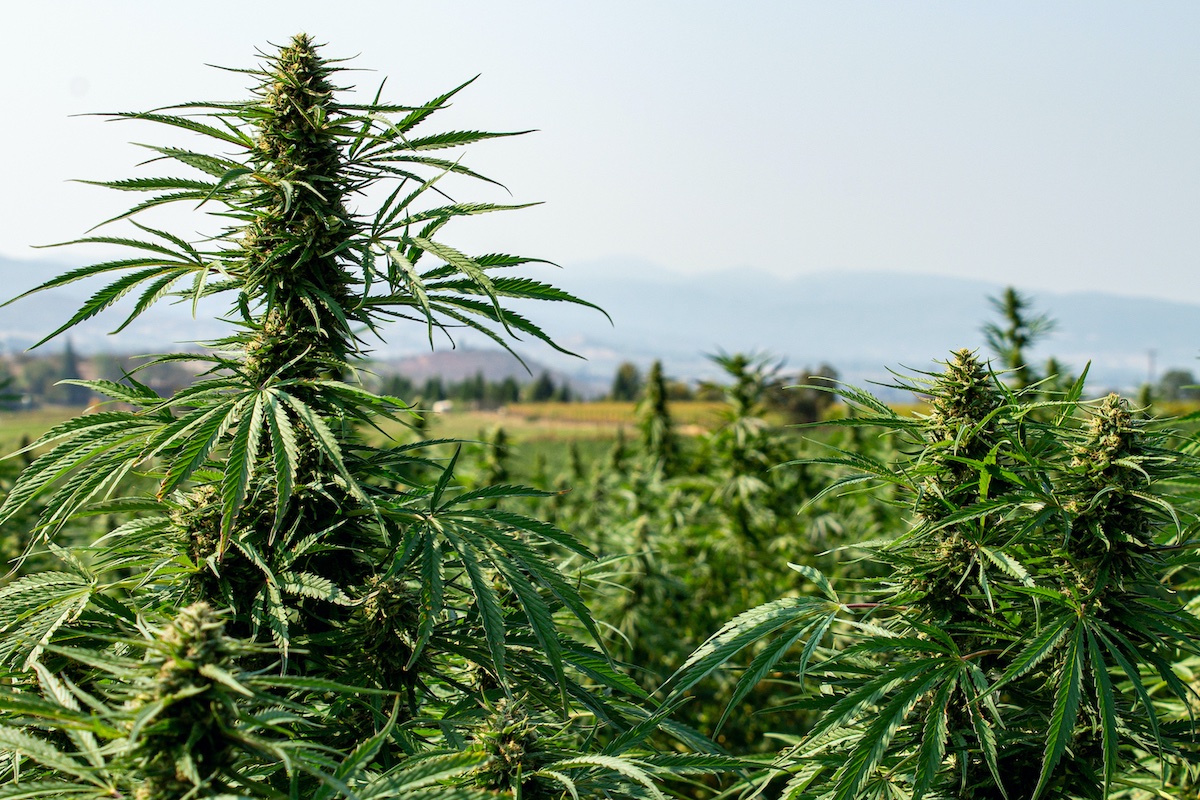
Germany does not offer a uniform climate. The north and west have an oceanic climate, with high relative humidity, persistent rainfall and moderate temperatures. The east and south tend toward a continental climate, with drier and warmer summers but cool nights and short autumns. In both cases, ambient humidity during flowering is the outdoor grower's main enemy, since it favours the appearance of Botrytis cinerea (grey mould) and powdery mildew on developing buds. That's why it's wise to prioritise genetics with airy bud structure, fast flowering and proven mould resistance, avoiding extremely dense indicas unless growing in a greenhouse or under cover. The optimal window for outdoor cultivation runs from late May to early September. Germinating before May 15 exposes seedlings to nights that are still cold and would slow early development, while germinating after June 15 forces ripening into an already rainy September. To make the most of the season, an effective strategy is to start the first cycle indoors or in a greenhouse in early May and move plants outdoors once nighttime lows stay reliably above 12 °C.
Substrate, watering and nutrition for auto varieties
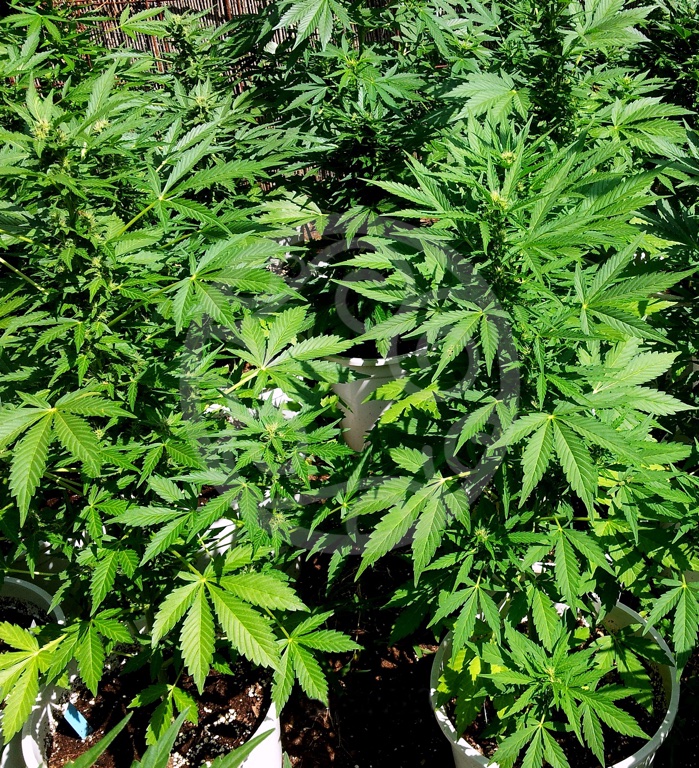
When growing autoflowers, every mistake has a direct cost on the harvest, because there is no extended vegetative phase in which to recover. The first step is to germinate directly in the final pot, usually between 7 and 15 litres, to avoid transplant stress. The substrate should be airy, well-drained and moderately rich in nutrients. Watering should follow the principle of short wet-and-dry cycles. During the first two weeks, small doses applied near the plant's collar are enough. From the start of pre-flowering, usually around day 21, water consumption shoots up, and it is best to switch to more abundant but less frequent waterings to push the root system to grow deeper. Nutrition should start at 25 to 50 percent of the doses recommended for photoperiod varieties, since autos are particularly sensitive to excess salts in the substrate. In outdoor cultivation under frequent rainfall, reinforcing with silicon and products based on Bacillus and Trichoderma provides additional protection against foliar and root pathogens. Training techniques should be limited to low-stress methods. LST (low stress training), with gentle tying of the side branches, helps even out the canopy and improve light penetration without halting development. High-stress techniques such as topping or fimming are risky with autoflowers, because they reduce the effective flowering time and can compromise the final yield.
Selecting autoflowering varieties
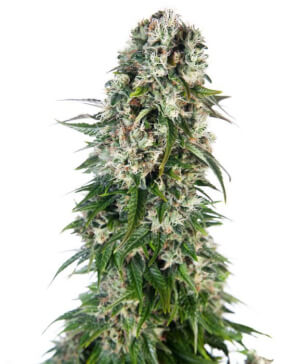
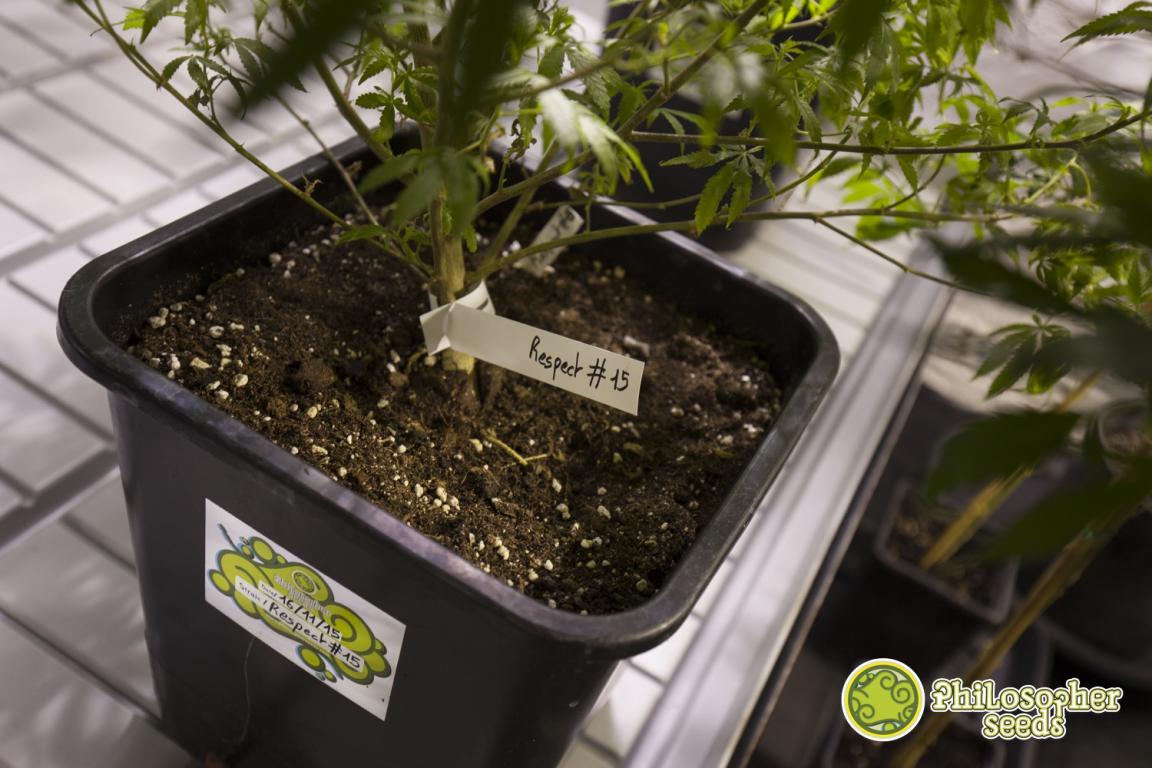
Within the Philosopher Seeds catalogue there are several autoflowering genetics that adapt particularly well to German conditions. For the grower looking for a balanced profile and citrus terpenes, Lemon OG Candy Auto is one of the house's best-selling autos and stands out for its speed, manageable structure and measured potency that makes daytime use easier. C. Banana Auto, derived from crossing Chiquita Banana with Banana Zkittlez Auto, delivers very high THC levels and an intense ripe-banana aromatic profile, aimed at users who prioritise potency. 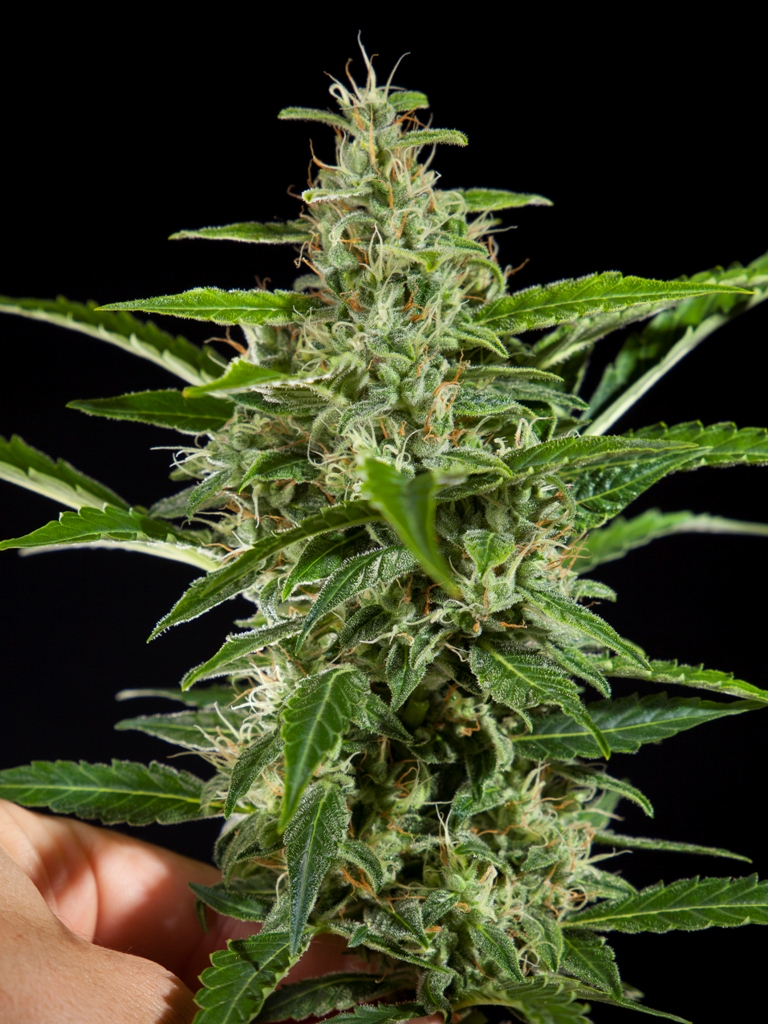
To wrap up
Germany's legalisation has opened up a technical and legal space for hundreds of thousands of users to grow their own plants with legal certainty. Autoflowering varieties offer the best compromise between speed, discretion, compliance with the three-plant limit and adaptation to the country's climate. With careful genetic selection, a well-planned substrate and prudent management of watering and feeding, it is perfectly possible to obtain quality harvests even in regions with complex climates, such as the oceanic north or the Bavarian Alpine valleys. Responsible home cultivation begins with the choice of seed: from there, the rest is planning, observation and patience.