List of contents
In cannabis cultivation, pruning techniques are essential to manage plant development and optimize the production of high-quality flowers. Cannabis plants, being robust and adaptive, respond well to selective pruning methods that allow growers to adjust their structure and energy distribution according to their needs. Pruning not only improves the quality of the buds but also helps prevent pest problems, increases light penetration, and facilitates air circulation, crucial elements in efficient cultivation. Among the featured pruning techniques is our protagonist today, the Lollipopping method, ideal for maximizing the quality of the top flowers in indoor crops and in tall plants where light, whether natural or artificial, reaches in a limited way. Keep reading and we will tell you all about it! 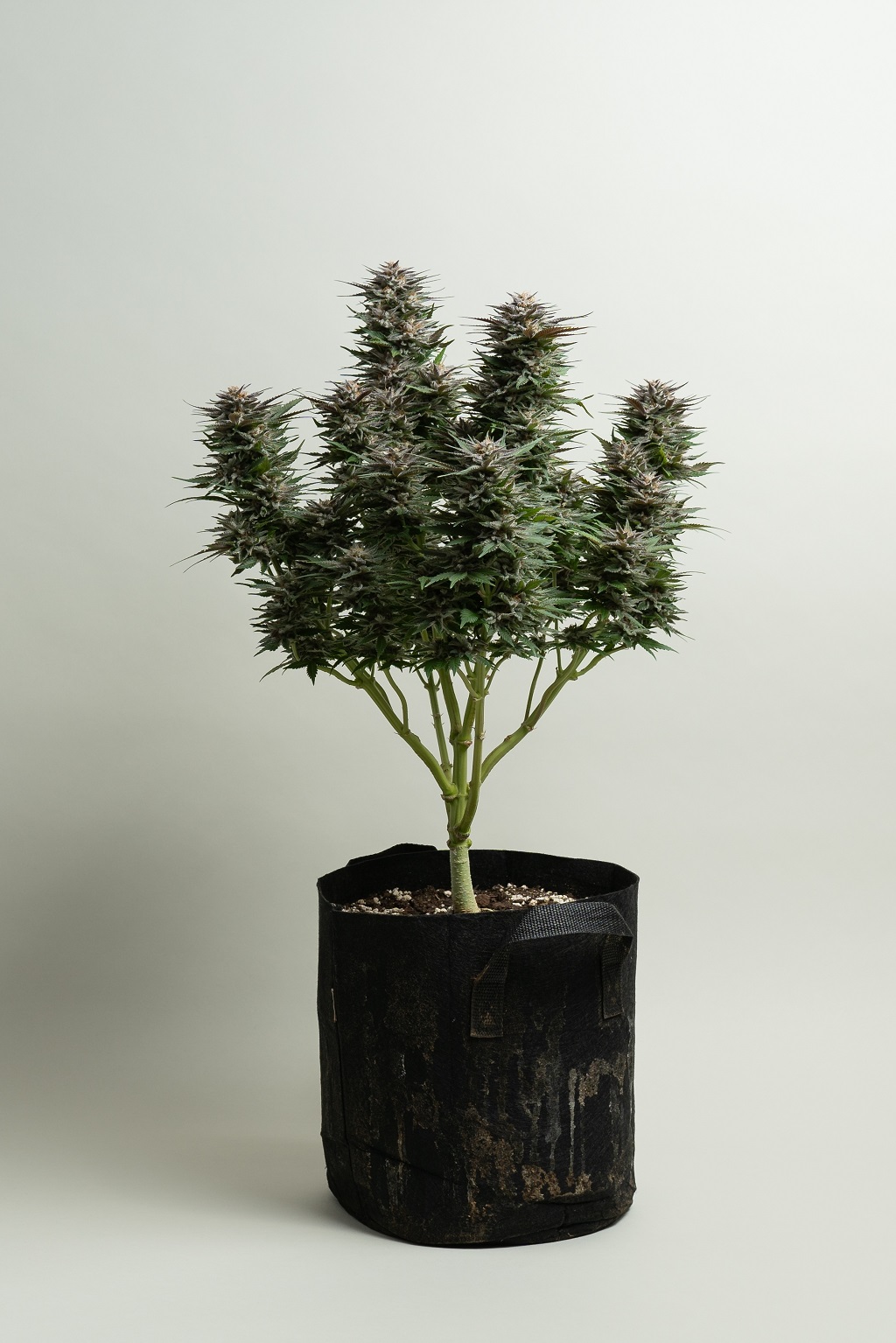
What is Lollipopping?
Lollipopping is a pruning technique that involves removing the lower leaves and branches of the cannabis plant. The name comes from the plant's appearance after pruning, similar to a lollipop with a clean stem at the bottom and a dense concentration of leaves and buds at the top. The logic behind lollipopping is to redirect the energy that the plant would otherwise use in less productive areas to the upper regions, where the buds have better light exposure and a greater chance of reaching optimal size and density. This method reduces the production of small buds at the base, known as “popcorn buds”, which often do not mature properly and are of less value in terms of potency, weight, and overall quality. Removing these buds will result in larger flowers at the top of the plant, as well as several benefits such as better air circulation and less chance of pest attacks. https://www.philosopherseeds.comhttps://www.philosopherseeds.com/blog/en/pruning-techniques-marijuana/
Cases where Lollipopping is effective
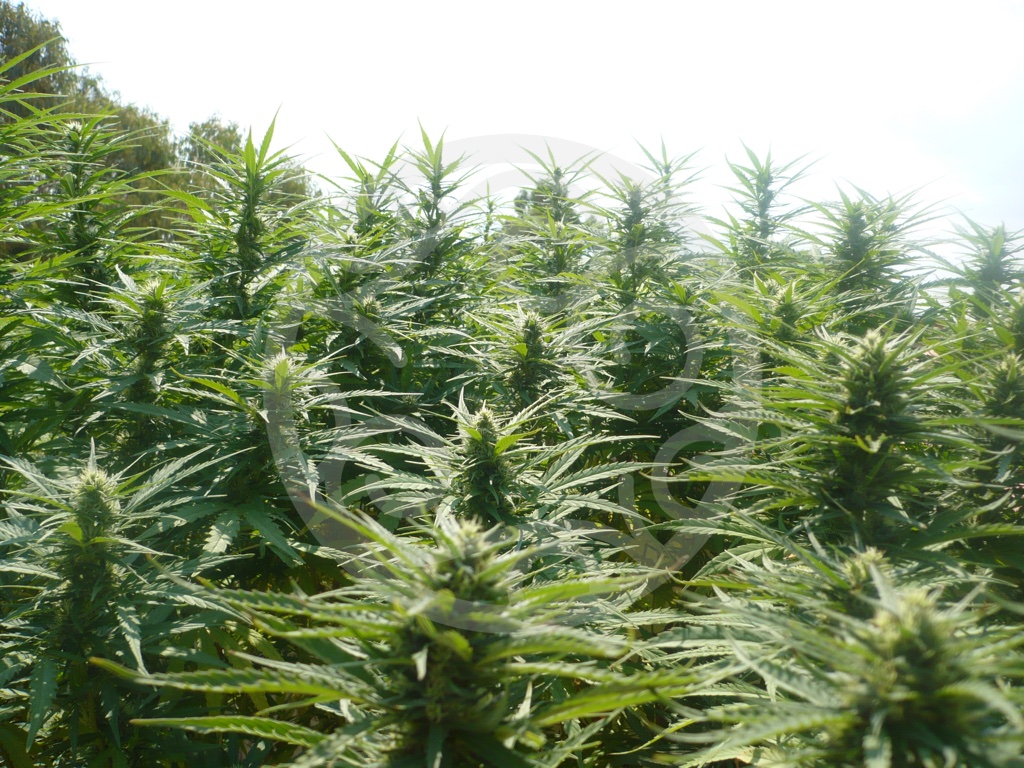
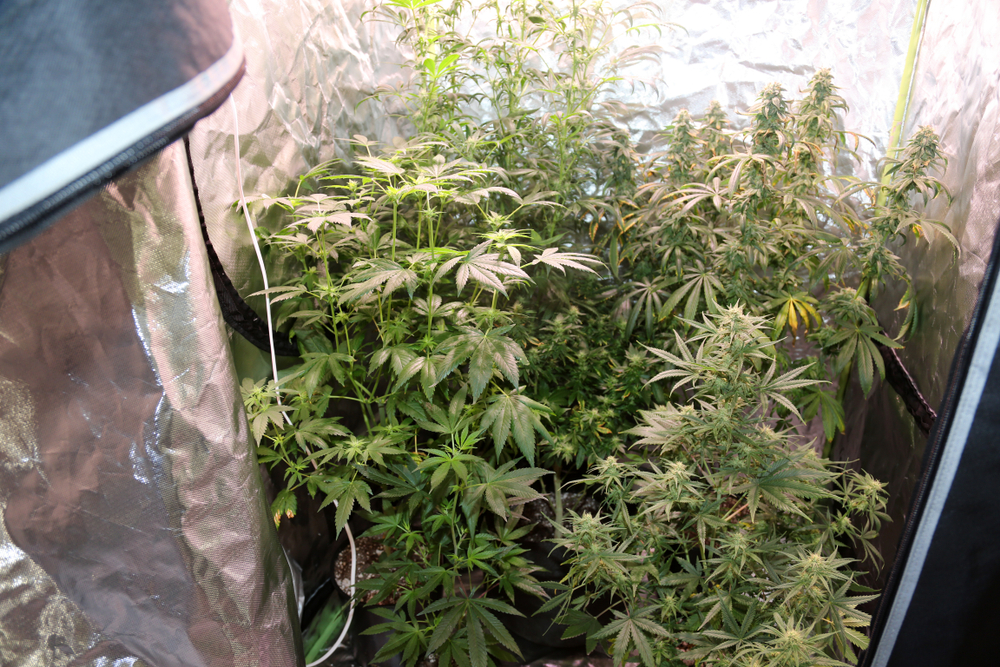
Lollipopping is particularly effective in crops where light sources are not uniform or do not reach all parts of the plant. This commonly happens in indoor crops where artificial light is positioned statically at the top, leaving the lower areas in the shade. In tall plants or densely populated crops, lollipopping allows you to optimize the structure of the plant, removing branches that will not contribute significantly to the final yield not only in terms of weight but also in terms of quality. The principle is simple: it will always be better to obtain a uniform harvest of top-quality flowers (the superior ones) than one with half of the flowers remaining small and half-ripe, don't you think? This technique is also useful in outdoor grows if the goal is to obtain high-quality top buds rather than maximizing the total amount of flowers. Additionally, lollipopping helps improve air circulation and reduces the risk of moisture build-up, factors that prevent the growth of mold and mildew, especially in humid climates or indoor grows with poor ventilation.
When and how to apply Lollipopping
The right time to lollipop depends largely on the stage of growth of the plant; it is best to do this technique at the end of the vegetative phase or just at the beginning of flowering, allowing the plant to recover before devoting its resources to flower production. Pruning should be done carefully, using clean, sharp scissors to avoid infection or tissue damage. It is recommended to cut branches and leaves from the lower areas, trying not to remove more than 30-40% of the foliage in a single session to avoid excessive stress on the plant. When applying this technique, it is important to observe the plant over the following days to ensure that it is recovering properly and does not show signs of stress or weakening. 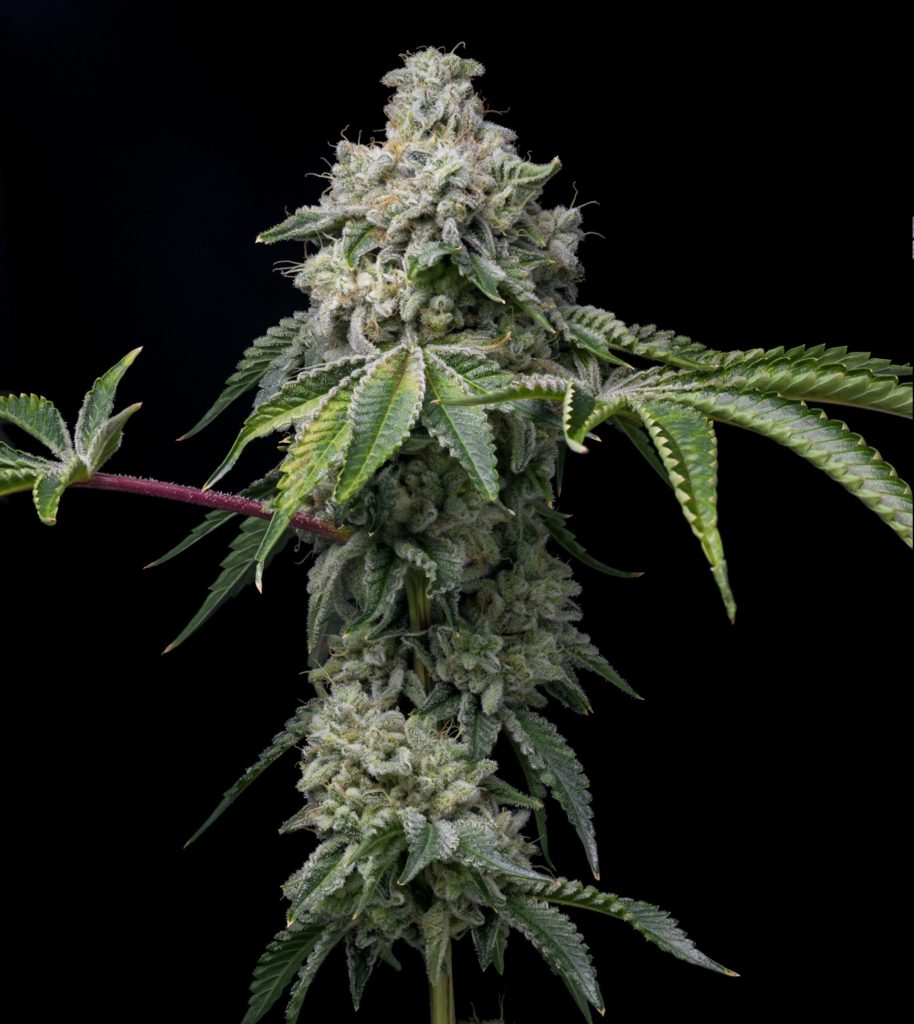
Lollipopping, genetics, and nutritional care
A plant's response to lollipopping can also vary depending on its genetics, environmental conditions, and the nutrition it receives. Some cannabis strains, such as Black Bomb, Critical Kush, or C. Banana, tend to develop a denser, bushier structure, which can particularly benefit from lollipopping to avoid the production of underdeveloped lower buds. Also, keep in mind that by pruning the lower part of the plant, its upper part will grow more vigorously, reaching a greater height as well.