List of contents
It is no secret that cannabis concentrates are becoming more and more popular during the last years. Thanks to the legal status of the plant in some places, the evolution of cannabis extracts has been amazing for the past decade. After some years in which BHO was the most popular extract, soon a new solventless technique was discovered and became favourite for many connoisseurs, especially those who don't like solvents. This new technique was named Rosin Hash or Rosin Tech, and was based on a simple principle: apply heat and very high pressure on the plant material to extract its resin. As happens often, this technique ws soon improved, achieving awesome results and captivating plenty of cannabis aficionados. Today there is a whole industry dedicated to this type od extract, with stunning presses that have improved both yields and quality. Furthermore, there are several ways to use this technique no matter the cannabis strain we grow, mainly depending on the starting material. 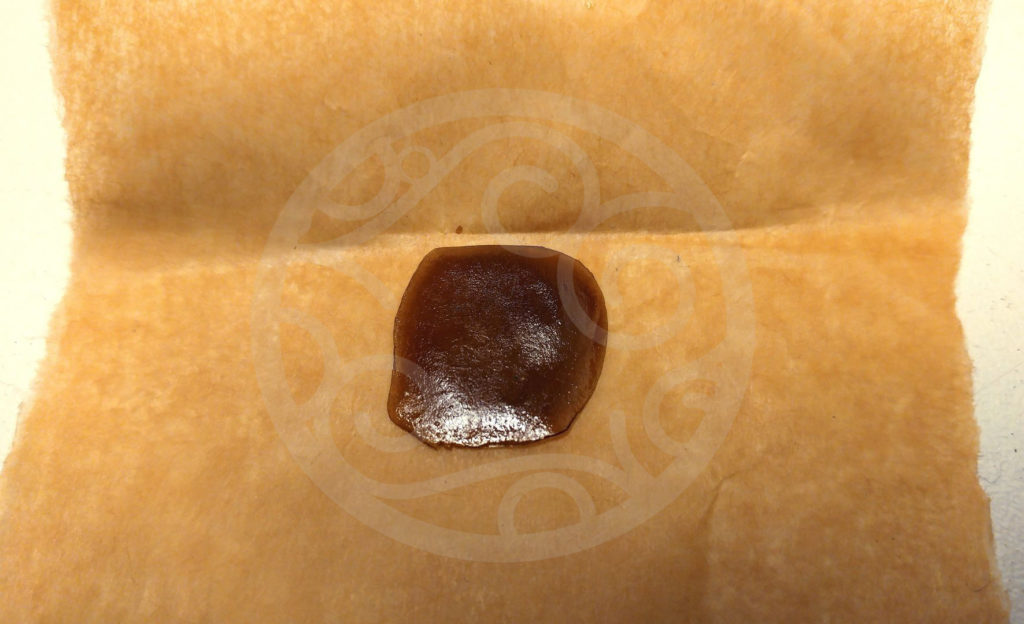
Rosin Hash, solventless resin extraction
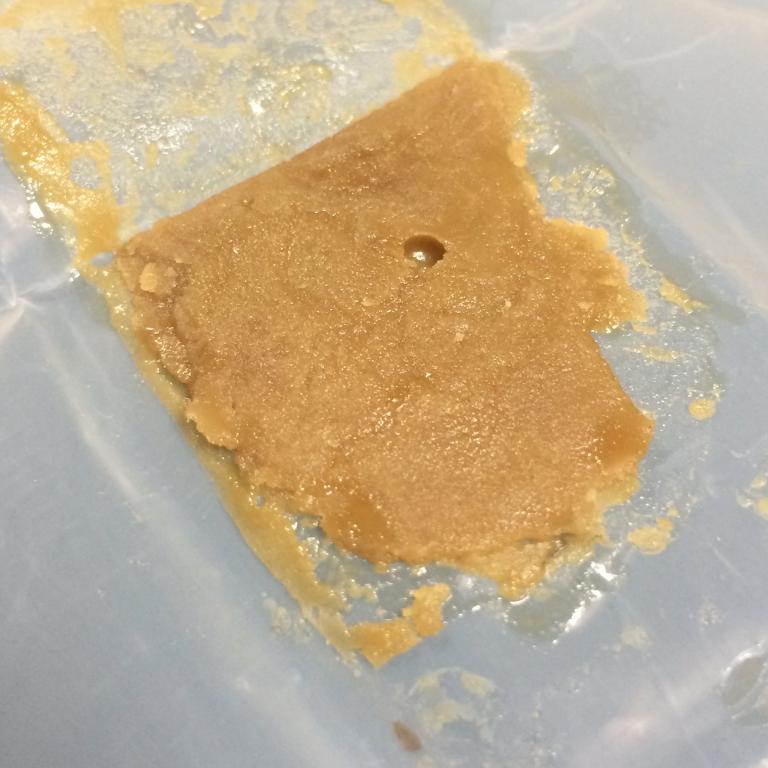
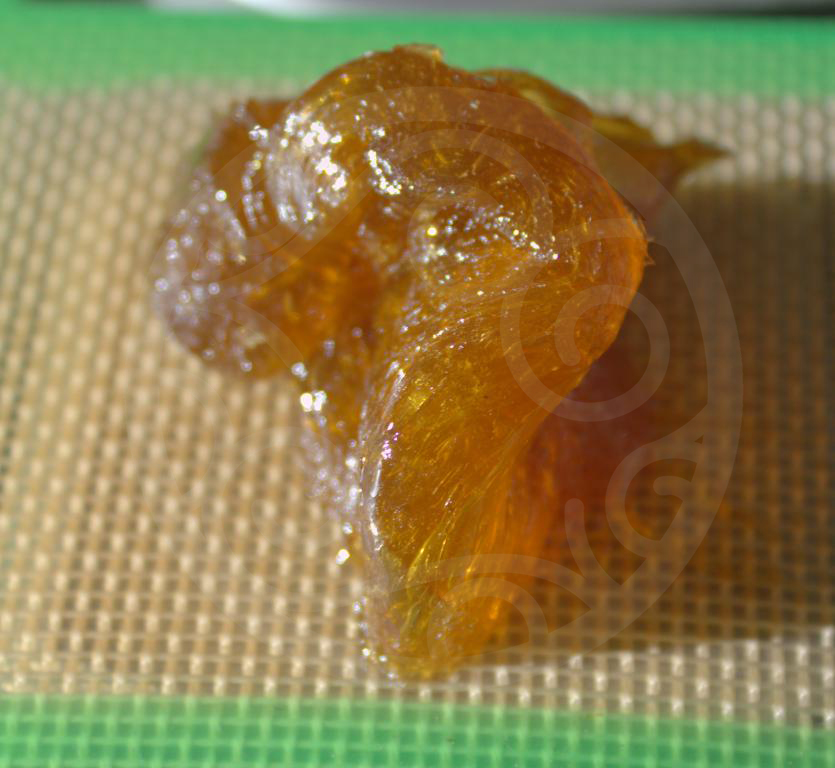
The very first attempts at making Rosin Hash were made with a hair straightener and temperatures around 150ºC, pressing the buds for 4-5 seconds. The bud was wrapped in parchment paper, put between the plates and pressed as much as possible. A few seconds later, and after the bud cracked, it was removed. Almost miraculously, the bud was completely flat but surrounded by small amber drops, the precious resin. Soon, different types of clamps were used to apply much more pressure to the plates, which allowed extractors to lower the temperature to 100-120ºC, thus getting a much more delicate taste and scent. As soon as the first high-grade Rosin concentrates were popularized, the first companies dedicated to manufacture presses and Rosin bags appeared. Rosin bags are small mesh bags (like tea bags) very useful to press other concentrates like dry sift or ice water hash (they can be found in different sizes and pore-sizes). Today we have a wide range of rosin presses available on the market, with manual, pneumatic and hydraulic presses. Some of them are designed to press buds, with wider work surface, while others are especially designed to press resins. 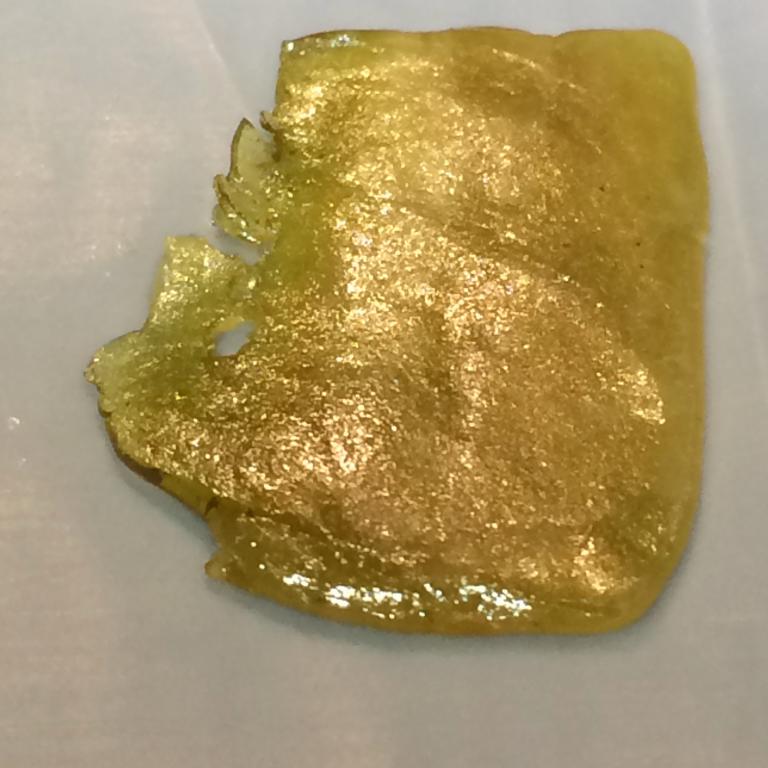
Rosin Techniques
As we already now, it all started with pressing buds. At first, plant material was thoroughly dried before pressing at high temperatures, which caused contamination by plant debris and toasted aftertaste. By using higher pressures, temperatures could be lowered so the final taste was highly improved. Moreover, it was now possible to press half-dried buds, plant material which had been dried for just 4-5 days. In this way, it doesn't break loose as happens when it's completely dried, thus reducing contaminants and improving the purity of the concentrate, which should have no plant debris at all if made correctly. Soon after the first Rosin concentrates became popular, a few wise extractors realized that, apart from presing buds and getting a high quality solventless concentrate easily and quickly, the Rosin technique also enabled them to press resins and thus refine other concentrates, getting a product of superior quality, especially when compared to the starting material. Today, Rosin Hash is made either from bud or different concentrates, like ice water hash, dry sieved resin or even Rosin itself. Indeed, and before resins wee pressed, some people would press buds, collect their resin and repeate the process, but pressing the rosin instead of buds. The final product was then purer, more potent and flavourful.